Pulmonary Hypertension
Pulmonary Hypertension Care at UVM Health
Pulmonary hypertension occurs when high blood pressure builds up in the blood vessels that lead from your heart to your lungs. Often causing shortness of breath, this potentially life-threatening cardiac disorder makes it harder for your heart to pump blood to the lungs — seriously impacting your health and quality of life.
At University of Vermont Health, our board-certified specialists deliver exceptional pulmonary hypertension diagnosis and treatment through our nationally accredited program.
Why Choose UVM Health?
Meeting the rigorous quality care standards of the Pulmonary Hypertension Association (PHA), we are the only PHA-sanctioned regional clinical program in Vermont.
Active researchers, our specialists are leading studies to better understand pulmonary hypertension and develop new therapeutic strategies to enhance patient care. Anchored by an academic medical center, UVM Health provides you with research-driven care and access to emerging therapies.
We offer:
- Multidisciplinary team: Ensuring you receive comprehensive and coordinated care across UVM Health, our pulmonary hypertension specialists regularly collaborate with specialists trained in pulmonology, cardiology and rheumatology.
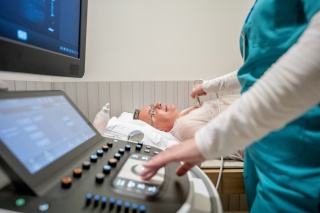
- Advanced diagnostics: We use state-of-the-art imaging technology, such as cardiac MRI and echocardiogram, to expertly evaluate how your heart is functioning and provide you with the most accurate diagnosis.
- Customized therapies: Our specialists create a treatment strategy tailored specifically to your condition, from medication and surgery to simple lifestyle changes and pulmonary rehabilitation.
Types of Pulmonary Hypertension
At UVM Health, our specialists treat patients with different categories of pulmonary hypertension:
Pulmonary arterial hypertension can be related to a variety of underlying causes, including:
- Collagen vascular disease, such as scleroderma or lupus
- Congenital heart disease
- Liver disease, such as cirrhosis
- Idiopathic (which develops for no known reason)
Pulmonary hypertension occurs as a result of another disease or disorder, such as:
- Left sided heart failure
- Valvular heart disease
- Lung disease
- Sleep disorders, such as obstructive sleep apnea
This develops from chronic or recurrent blood clots in the lungs (pulmonary embolisms).
Signs and Symptoms of Pulmonary Hypertension
Pulmonary hypertension symptoms can be difficult to differentiate from health problems caused by other heart and lung conditions, which can make an early diagnosis challenging.
Pulmonary hypertension is a progressive disease. Because symptoms often develop slowly and worsen over time, you may not notice them for months or even years.
Common signs and symptoms may include:
- Shortness of breath (dyspnea), initially while exercising and eventually while at rest
- Swelling (edema) in the ankles, legs and eventually the belly area (abdomen)
- Unexplained fatigue
- Blue lips and skin (cyanosis)
- Chest pressure or pain
- Dizziness or fainting spells (syncope)
- Fast pulse or pounding heartbeat (palpitations)
Diagnosing Pulmonary Hypertension
If you smoke or have a chronic lung or heart condition, you are at increased risk for developing pulmonary hypertension. It is important to talk to your provider about regular monitoring and taking preventive measures such as quitting smoking and maintaining a healthy weight. The earlier your condition is diagnosed, the easier it may be to treat.
Lab tests typically include:
- Blood tests: Determines if infections or autoimmune diseases are contributing to the high blood pressure in your pulmonary arteries
- Exercise testing: Measures your oxygen levels and heart function during physical activity
We use the most advanced imaging technology available to take detailed pictures of your lungs, heart and blood vessels. These images let us see if your pulmonary hypertension is due to abnormalities in your heart or problems with your lung function. We may suggest you undergo imaging tests such as:
- Electrocardiogram (ECG or EKG): Reveals strain on the right side of your heart, the side most impacted by pulmonary hypertension
- Chest X-ray: Tells us if you have other contributing heart or lung conditions
- Echocardiogram: An ultrasound of the heart, to see how well your heart is working
- Computed tomography (CT) scan: Determines if your pulmonary arteries are enlarged or if you have underlying lung disease
- Ventilation-perfusion scan (V/Q scan): A nuclear medicine test, to identify blood clots in the lungs (pulmonary embolisms)
Pulmonary hypertension damages the right side of the heart. Although imaging scans and laboratory tests can help us diagnose your pulmonary hypertension, we need to perform right heart catheterization to confirm the diagnosis.
This minimally invasive procedure allows us to directly measure the blood pressure in the pulmonary arteries. Performed in the cardiac catheterization lab (or cath lab), this procedure involves inserting a thin, hollow tube-like catheter through a small incision made into a vein in the neck, arm or groin area. Image guided into the right side of your heart, the catheter allows your doctor to measure pressures in your heart’s right atrium, right ventricle and pulmonary artery.
The amount of blood your heart pumps per minute (cardiac output) can also be measured. During this procedure, you may be given a mild sedative to help you relax but not put you to sleep.
At UVM Health, our fellowship-trained interventional cardiologists have extensive experience performing this procedure. They work closely with our pulmonary hypertension specialists to interpret the results and provide you with the most accurate diagnosis and personalized treatment plan.
Wellness & Prevention
Evidence shows that proactive health care focused on preventing illness leads to better outcomes. We're here to help you live a healthier, happier life. We offer wellness and prevention services to empower you to take control of your health.

Pulmonary Hypertension Treatment
At UVM Health, we offer the most advanced solutions for treating your pulmonary hypertension, including:
Your doctor may prescribe you medication (oral, inhaled, intravenous and/or under the skin) that directly lowers blood pressure in your pulmonary arteries to reduce symptoms and possibly prevent your condition from progressing. If blood clots in your lungs are causing your pulmonary hypertension, you may also be prescribed blood thinners.
If you have advanced pulmonary hypertension that does not improve with drug therapy, you may need surgery. Depending on the seriousness of your condition, your provider may recommend a lung transplant or an atrial septostomy (a procedure that creates an opening between chambers on either side of the heart). Your experienced care team will discuss the risks and benefits of surgery for pulmonary hypertension.
Treatments such as physical exercise, pulmonary rehabilitation and inhaled oxygen can improve shortness of breath and improve your condition.
Awards & Certifications
Pulmonary Hypertension Care Center
University of Vermont Medical Center’s Pulmonary Hypertension Program received national accreditation from Pulmonary Hypertension Association as a Pulmonary Hypertension Care Center (PHCC) — a designation that highlights the program’s clinical excellence and will improve access to national clinical trials and support groups for patients across the rural region served by the hospital. The prestigious designation makes UVM Medical Center the only PHCC in Vermont and northern New York.
Locations Near You
Share your location to see nearby providers and availability
118 Tilley Drive
Suite 102
South Burlington, VT 05403-4450
78 Park Street
Elizabethtown, NY 12932
62 Tilley Drive
Suite 101
South Burlington, VT 05403-4407
111 Colchester Avenue
Main Campus, East Pavilion, Level 5
Burlington, VT 05401-1473
32 Malletts Bay Avenue
Winooski, VT 05404-1959
130 Fisher Road
MOB C
Berlin, VT 05602-9516