Coronary Artery Disease (CAD)
Coronary Artery Disease Care at UVM Health
Coronary artery disease (CAD) occurs when the blood vessels that supply the heart become narrowed or blocked by a buildup of plaque made of fat, cholesterol and calcium.
CAD is common and develops slowly over many years. Early care and lifestyle changes can help prevent symptoms and reduce the risk of serious complications like heart attack.
Why Choose UVM Health?
Heart and vascular specialists at University of Vermont Health are leading experts in diagnosing, treating and managing coronary artery disease. We offer comprehensive cardiovascular care — from long-term disease management to advanced heart surgery.
- Coordinated, multidisciplinary care: You have access to a collaborative team that includes cardiologists (preventive, interventional, and heart rhythm specialists), cardiovascular surgeons, and other specialists. If you need more specialized treatment, we coordinate appointments, referrals and transfers quickly, ensuring seamless, personalized care.
- Evidence-based, research-driven treatments: Many of our physicians are active researchers who participate in and lead national clinical trials focused on improving heart and vascular care. This helps bring emerging, evidence-based approaches into your treatment options.
- Advanced heart and vascular procedures: We perform high volumes of specialized procedures, including percutaneous coronary intervention and heart bypass surgery. To support complex procedures, we perform Extracorporeal Membrane Oxygenation (ECMO), providing expertise for complex cases.
Coronary Artery Disease Risk Factors
Common factors that may increase your risk of developing coronary artery disease include:
- High blood pressure
- High cholesterol
- Smoking
- Diabetes
- Obesity
- Lack of physical activity
- Family history of heart disease
- Aging
Coronary Artery Disease Symptoms
CAD symptoms can vary, but common signs include:
- Chest pain or pressure (angina)
- Shortness of breath
- Pain in the neck, jaw, shoulder or arm
- Fatigue, especially during activity
- Dizziness or lightheadedness
Seek emergency care if symptoms are severe or sudden.
Wellness & Prevention
Evidence shows that proactive health care focused on preventing illness leads to better outcomes. We're here to help you live a healthier, happier life. We offer wellness and prevention services to empower you to take control of your health.

Diagnosing Coronary Artery Disease
Your clinician will ask about your symptoms, medical history and family history. They may check your blood pressure, cholesterol and listen to your heart and lungs.
Diagnostic testing may include:
- Electrocardiogram (EKG): Measures heart rhythm and identifies possible heart strain
- Stress test: Shows how your heart works during exercise. This can be performed with EKG monitoring alone or combined with images of the heart using nuclear scans or echocardiograms.
- Echocardiogram: Uses ultrasound to look at heart structure and movement
- CT coronary angiogram: Detects blockage in a blood vessel supplying the heart.
- CT coronary calcium: Identifies the presence of coronary artery disease but not the severrity of blockage.
- Cardiac catheterization: Procedure using a small, hollow tube (catheter) to access your heart muscle, valves and blood vessels
Coronary Artery Disease Treatment
Treatment focuses on improving blood flow to the heart, reducing symptoms and lowering your risk of heart attack or other complications.
Common treatment options include:
- Lifestyle changes: Eating a heart‑healthy diet, exercising regularly, quitting smoking and managing stress
- Medications: To lower blood pressure, reduce cholesterol, prevent blood clots or ease chest pain
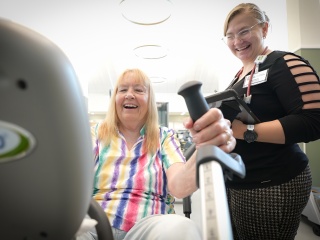
- Cardiac rehabilitation: A supervised program that includes exercise, education and support
- Percutaneous Coronary Intervention (Angioplasty and stenting): A procedure to open narrowed arteries and improve blood flow
- Coronary artery bypass surgery: Surgery that reroutes blood around severely blocked arteries
Your care team will work closely with you to select a treatment plan based on your symptoms, health history and personal goals.
Locations Near You
Share your location to see nearby providers and availability
62 Tilley Drive
Suite 101
South Burlington, VT 05403
118 Tilley Drive
Suite 102
South Burlington, VT 05403-4450
115 Porter Drive
Middlebury, VT 05753
75 Park Street
Elizabethtown, NY 12932
101 Adirondack Drive
Suite 1
Ticonderoga, NY 12883
78 Park Street
Elizabethtown, NY 12932
133 Park Street
Malone, NY 12953
130 Fisher Road
Berlin, VT 05602
210 Cornelia Street
Ste 104
Plattsburgh, NY 12901
62 Tilley Drive
Suite 101
South Burlington, VT 05403-4407