Ischemic Heart Disease
Ischemic Heart Disease Care at UVM Health
Ischemic heart disease refers to conditions in which the heart muscle is damaged or working inefficiently as a result of inadequate blood flow to the heart. This occurs when fatty deposits (plaque) build up inside the coronary arteries, which supply oxygen-rich blood to the heart, causing them to narrow or become blocked.
It can also occur when a clot forms inside a coronary artery, causing an abrupt interruption of blood flow. This common condition can cause angina symptoms, such as chest pain or pressure, and can lead to a heart attack.

Why Choose UVM Health?
At University of Vermont Health, we take a coordinated, team-based approach to diagnosing and treating ischemic heart disease. Our network of providers gives you access to advanced cardiologists, so no matter where you live in Vermont or northern New York, you can get personalized care that helps you live a full and healthy life.
As one of the leading heart and vascular programs in the region, we offer:
- Expert physicians: As a health system anchored by an academic medical center, our physicians are active researchers and physician-leaders who train the next generation of experts. Our cardiology specialists provide expert treatment with excellent outcomes, which meet — and often exceed — national benchmarks.
- Advanced treatments: We offer a range of treatment options, such as implanted devices and heart surgery, to help your condition improve. Your provider will work closely with you to determine the care plan that best meets your needs.
- 24/7 rapid response: Our Extracorporeal Membrane Oxygenation activation system is an advanced life-support treatment we can mobilize within an hour for critically ill patients.
What Causes Ischemic Heart Disease?
Your heart needs a supply of oxygen and other nutrients to pump blood through the body. When your blood vessels become narrow or blocked as a result of plaque buildup, your heart loses its blood supply, which may lead to tissue death and heart attack.
Risk factors for ischemic heart disease include:
- Smoking
- Diabetes
- High cholesterol
- Hypertension
- Genetic factors
- A family history of heart disease
Symptoms of Ischemic Heart Disease
The most common symptoms of ischemic heart disease are angina (chest pain or pressure) and shortness of breath. However, not everyone has these symptoms, and some people do not experience any symptoms at all. This is known as “silent ischemia.”
In rare cases, heart attack can be the first sign of ischemic heart disease. If you think you may be having a heart attack, call 911 immediately.
Diagnosing Ischemic Heart Disease
In most cases, ischemic heart disease can be diagnosed through an interview and examination with a cardiac specialist, in combination with testing, imaging or electrocardiography.
At the UVM Health, our heart and vascular specialists use advanced cardiac diagnostic tools to obtain an accurate diagnosis, including:
- Physical exam: Identifies any signs of heart disease and fluid buildup in the body (including a crackling sound in the lungs, enlarged liver, swelling in the legs and ankles, and elevated pressure in the neck vein)
- Electrocardiogram (EKG): Identifies abnormalities in the electrical system of the heart caused by ischemic heart disease
- Echocardiogram: Creates a video image of your heart and determine if you have decreased ejection fraction (a measure of how well your heart is pumping)
- Cardiac stress testing: Evaluates the quality of blood flow through the arteries and into the heart muscle during exercise
- CT angiography: Directly visualizes disease within the coronary arteries
- Magnetic resonance imaging (MRI): Evaluates the structure and function of the heart and other organs in the chest cavity, including blood vessels
Ischemic Heart Disease Treatment
Once your cardiologist has obtained an accurate diagnosis, they will work with you to create an individualized treatment plan. The goal of treatment for ischemic heart disease is to prevent myocardial infarction (heart attack) and stroke, reduce symptoms and improve overall quality of life.
Your cardiologist may recommend some or all of the following treatment options:
The first step for most patients with ischemic heart disease is adopting heart-healthy lifestyle changes. A healthy lifestyle can help slow disease progression and improve your quality of life, as well as reduce your risk of a heart attack or stroke.
It can also help you manage other health problems that can be risk factors for ischemic heart disease, such as high blood pressure, high cholesterol and diabetes.
Common lifestyle changes include:
- Quitting smoking
- Losing weight
- Following a diet low in fat and high in fruits, vegetables and whole grains
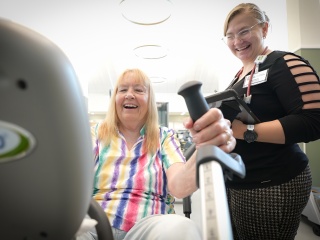
Your cardiologist may refer you to cardiac rehabilitation to create a personalized plan for implementing and maintaining these lifestyle changes.
If your ischemic heart disease is causing symptoms, your cardiologist may prescribe one or more medications to help you manage your condition.
Common medications for ischemic heart disease include:
- Antianginal medications to relieve symptoms related to coronary artery disease. These may include nitrates, calcium channel blockers, beta blockers and ranolazine.
- Statins to reduce cholesterol levels and reduce the risk of heart attack
- Aspirin to inhibit clotting and reduce your risk of heart attack
If your ischemic heart disease symptoms are severe and are not responding to less invasive forms of treatment, your cardiologist may recommend a heart procedure or surgery. Common procedures and surgeries for ischemic heart disease include:
- Angioplasty: Your cardiologist uses a thin, flexible tube (catheter) to widen a narrowed or blocked coronary artery. They will then place a stent to keep the artery open during the procedure.
- Coronary artery bypass grafting (CABG): Your surgeon connects (grafts) a healthy artery from another part of the body to the narrowed or blocked coronary artery, to help improve blood flow.
Extracorporeal Membrane Oxygenation (ECMO) is an advanced life-support treatment that temporarily takes over the work of your heart and lungs. Using a specialized machine, ECMO oxygenates your blood and returns it to your body — giving your organs time to heal.
Our multidisciplinary team includes specialists in cardiac surgery, interventional cardiology, cardiovascular ICU, pulmonary critical care, ICU nursing, respiratory therapy, rehabilitation and perfusion.
Wellness & Prevention
Evidence shows that proactive health care focused on preventing illness leads to better outcomes. We're here to help you live a healthier, happier life. We offer wellness and prevention services to empower you to take control of your health.

Locations Near You
Share your location to see nearby providers and availability
62 Tilley Drive
Suite 101
South Burlington, VT 05403
118 Tilley Drive
Suite 102
South Burlington, VT 05403-4450
75 Park Street
Elizabethtown, NY 12932
101 Adirondack Drive
Suite 1
Ticonderoga, NY 12883
133 Park Street
Malone, NY 12953
130 Fisher Road
Berlin, VT 05602
210 Cornelia Street
Ste 104
Plattsburgh, NY 12901
62 Tilley Drive
Suite 101
South Burlington, VT 05403-4407
133 Park Street
2nd Floor
Malone, NY 12953-1244
130 Fisher Road
MOB-A Suite 2-2
Berlin, VT 05602-9000