Carotid Artery Disease
Carotid Artery Disease Care at UVM Health
Carotid artery disease, also known as carotid occlusive disease or carotid stenosis, occurs when one or both of the carotid arteries (the major arteries in the neck) become narrowed or blocked by a fatty buildup called plaque.
Complications can occur if the plaque breaks open (creating a blood clot) or pieces of the plaque break off. If a piece of the plaque or a blood clot move to the brain, a stroke or transient ischemic attack (TIA), a ministroke with recovery, may occur.

Why Choose UVM Health?
At University of Vermont Health, we take a coordinated, team-based approach to diagnosing and treating carotid artery disease. Our network of heart and vascular specialists gives you access to expert vascular surgeons, so no matter where you live in Vermont or northern New York, you can get personalized care that helps you live a full and healthy life.
As one of the leading heart and vascular programs in the region, we offer:
- Specialized experts: UVM Health is home to a nationally accredited, non-invasive diagnostic laboratory staffed by highly skilled vascular technologists to help you get a fast, accurate diagnosis. Our vascular surgeons will determine what treatment is right for you and make sure you get the very best care, when and where you need it.
- State-of-the-art imaging: The certified vascular technologists in the David Pilcher Noninvasive Vascular Laboratory perform more than 9,000 studies every year. We offer advanced imaging services to allow us to make more accurate diagnoses that lead to effective treatment plans.
- Advanced treatment options: When lifestyle changes and medications alone don’t manage your condition, you have access to advanced minimally invasive surgeries, including carotid endarterectomy.
Carotid Artery Disease Risk Factors
Carotid artery disease is associated with a number of risk factors, including:
- Cigarette smoking
- Aging
- High blood pressure
- High cholesterol
- Diabetes
- A family history of atherosclerosis or stroke
Wellness & Prevention
Evidence shows that proactive health care focused on preventing illness leads to better outcomes. We're here to help you live a healthier, happier life. We offer wellness and prevention services to empower you to take control of your health.

Symptoms of Carotid Artery Disease
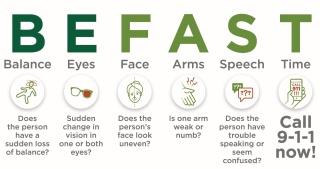
In its early stages, carotid artery disease may not produce any symptoms. For many people, the first sign you have the condition may be a mini stroke known as a transient ischemic attack (TIA). The symptoms of TIA include:
- Sudden numbness, weakness or paralysis on one-side of the body
- Slurred speech
- Loss of vision in one eye
If you experience any of these symptoms, even if only for a few moments, you should seek medical attention immediately. A TIA is a warning that you are at risk of a full-blown stroke, which can result in permanent damage to the brain.
Diagnosing Carotid Artery Disease
If you have risk factors, signs or symptoms of carotid artery disease, your doctor will perform a physical exam, in which they will listen for sounds of turbulent blood flow in the carotid arteries.
To confirm the diagnosis, they will likely order a carotid duplex ultrasound. In this test, a vascular technician holds a small ultrasound probe to your neck. High-frequency sound waves emitted by the probe bounce off the blood cells and vessels and create an image of blood flow and blood vessel structures. This test can identify any narrowing or blockages in the carotid arteries.
Carotid Artery Disease Treatment
The goal of carotid artery treatment is to prevent stroke. The type of treatment you receive will depend on the severity of your condition, your symptoms and your general health.
Your doctor may recommend lifestyle changes to reduce stress on your arteries and address any underlying conditions, such as atherosclerosis. These may include:
- Stopping smoking
- Losing weight
- Regular exercise
Your provider may also prescribe medications to manage your condition, such as blood thinners or medications to control your blood pressure and lower cholesterol. Other medications may be prescribed for patients with chronic conditions such as diabetes to help keep those conditions under control.
If your disease is severe, or you have already experienced a TIA or stroke, surgery may be necessary. There are three main types of procedures for carotid artery disease:
- Carotid endarterectomy: This is the most common surgical procedure for carotid artery disease, with low risk for otherwise healthy patients. Your surgeon makes an incision in the neck, opens the affected artery and removes the plaque. The artery is then closed with sutures.
- Carotid angioplasty and stenting: In this procedure, your surgeon inserts a small tube (catheter) with a balloon on the end into an artery in the groin. The catheter is guided to the blocked area in the neck and inflated and deflated several times to widen the damaged artery. The surgeon then places a tiny wire mesh tube (stent) in the artery to keep it open and allow blood to flow more freely.
- Transcarotid Artery Revascularization (TCAR): This new, minimally invasive procedure reduces risk of stroke during the insertion of a stent. Your surgeon will make a small incision in the lower neck and insert a small tube directly into the carotid artery. They will direct blood flow away from your brain, to prevent any loose plaque from reaching your brain, before placing a stent.
Locations Near You
Share your location to see nearby providers and availability
111 Colchester Avenue
Main Campus, Main Pavilion, Level 5
Burlington, VT 05401-1473