Menopause
Menopause Care at UVM Health
Menopause is a natural stage of life for people with ovaries. It happens when your ovaries stop producing a hormone called estrogen. You are considered in menopause once you have stopped having periods for one year. The average age for menopause is 51, but it can begin as early as your mid-40s.
After menopause, you can no longer become pregnant and many organ systems are impacted by your changing hormone levels. For patients who have had a hysterectomy, use hormonal contraception or have had an endometrial ablation, you may not experience menopause in this way. A clinical diagnosis can be made with the help of a knowledgeable physician or provider.
The years leading up to menopause are called perimenopause, or the “menopause transition.” This often begins in your 40s, but can start earlier. During this time, estrogen levels rise and fall. You might see changes in your period. They might get longer or shorter, lighter or heavier, and you might skip some cycles. Perimenopause often brings other symptoms, such as mood changes, sleep changes, musculoskeletal concerns, weight gain, changes in sexual health and hot flashes, among other symptoms.
Why Choose UVM Health?
At University of Vermont Health, we provide evidence-based menopause care in a supportive and compassionate environment. We listen to your needs and work with you to develop a personalized care approach. With locations across Vermont and northern New York, you have access to expert care no matter where you live.
As the leading gynecology program in the region, we offer:
- Experienced professionals: We have many types of providers who are equipped to care for you during the menopause transition and beyond, such as primary care, gynecology and endocrinology. Many providers have specialized training in menopause care through The Menopause Society — an organization for providers seeking higher level of menopause expertise.
- Comprehensive care: Menopause care is part of your overall care plan with support for hearth health, bone health, mental health, sexual health and hormone therapy.
- Access to subspecialists: As part of a health system anchored by an academic medical center, your care team can easily consult with subspecialists and offer advanced treatments when needed. Our shared medical record allows for coordination among specialists while MyChart, your secure patient portal, supports your connection to your own care.
Menopause Symptoms
Most common menopause symptoms:
Commonly experienced as hot flashes and night sweats, these sudden feelings of warmth are often in the face, neck and chest. They can last seconds to minutes and may happen a few times a month to several times a day.
The term used to describe changes in the vagina, vulva and urinary tract due to falling estrogen levels. Lower estrogen can make the lining of the vagina thinner and less stretchy and decrease natural lubrication. This can make sex uncomfortable. Your urethra (the tube you pee from) can get dry, sore or irritated leading to more frequent urination and increased risk of urinary tract infections (UTIs).
- Skin and hair changes
- Weight gain: Often around your abdomen/belly.
- Mood changes: Some women experience depression, anxiety, anger or rage during menopause.
- Joint pain
- Sexual health changes: Decreased desire for sex and difficulty achieving orgasm.
- Sleep changes: Trouble falling asleep or waking earlier than usual can be caused by hot flashes, frequent urination, or other conditions such as anxiety or sleep apnea.
- Cognitive changes: Brain fog, difficulty finding words, feeling less “sharp.”
Wellness & Prevention
Evidence shows that proactive health care focused on preventing illness leads to better outcomes. We're here to help you live a healthier, happier life. We offer wellness and prevention services to empower you to take control of your health.

Menopause-Related Health Risks
Menopause is linked to higher risks of several health conditions. These risks don’t affect everyone the same way, but they become more common after menopause. Many medical conditions present in midlife and may not be menopause related. Our multidisciplinary care team can assess your personal health risks and best treatment options.
- Cardiovascular disease: After menopause, your risk of heart disease and stroke rises may rise.
- Bone loss and osteoporosis: Bone loss accelerates after menopause.
- Metabolic changes: Menopause is associated with metabolic changes that increase the risk of insulin resistance and diabetes.
- Weight gain: You may notice weight gain or fat redistribution during and after menopause.
Treatment for Menopause Symptoms
Not everyone needs treatment. Sometimes understanding what’s changing is enough. We offer education, ongoing support and symptom monitoring. It is important to us that you understand what is changing in your body, and that you have treatment options.
If symptoms are affecting your quality of life, there are options:
Hormone therapy (also called menopause hormone therapy or MHT) can be used to alleviate hot flashes, protect bones and support vaginal health. Estrogen supplementation may help you feel better in your body and allow you to be more physically active.
Hormone therapy comes in pills, creams, tablets, patches, gels, sprays or vaginal rings.
Your provider will review your symptoms, medical history and any risks before recommending treatment.
- Antidepressants: Can help with mood and hot flashes.
- Neurokinin Receptor Antagonists: are a new class of medication used to treat hot flashes and night sweats by acting on the brain’s thermoregulatory center. (maybe “calm heat signals” is better.”
- Gabapentin: Eases hot flashes and night sweats.
- Cognitive behavioral therapy (CBT): CBT is an evidence-based talk therapy technique helps you identify and change thoughts and behaviors. You learn to replace your existing feelings and actions with new, positive ones.
- Hypnosis: Clinical hypnosis is a guided mind–body therapy led by a trained clinician. It helps a person enter a state of deep relaxation with focused attention, during which therapeutic suggestions and mental imagery are used to influence physical sensations, emotional responses and stress reactions.
Making adjustments in your daily routines can be good for overall health and longevity, and may help alleviate menopause symptoms.
- Stay active: Regular exercise improves mood and sleep.
- Eat well: A healthy diet with limited caffeine or spicy foods may reduce hot flashes and night sweats.
Menopause-Certified Providers
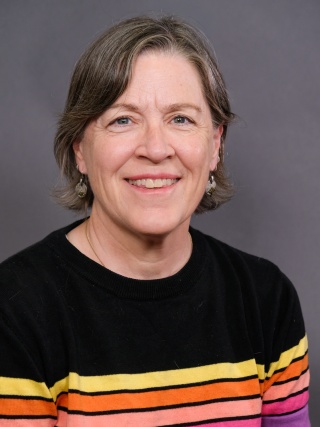
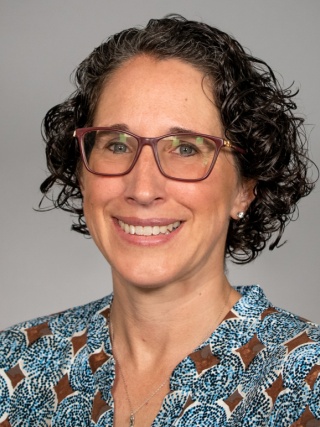
We have many types of providers who are equipped to care for you during menopause and beyond. The following providers have achieved specialized training to deliver optimal menopause care and are credentialed as Menopause Society Certified Practitioners (MSCP) through The Menopause Society — an organization for providers seeking higher level of menopause expertise.


Patient Resources
- American Heart Association - Go Red for Women: Encourages awareness of women and heart disease, and also action to save more lives.
Locations Near You
Share your location to see nearby providers and availability
75 Park Street
Elizabethtown, NY 12932
101 Adirondack Drive
Suite 1
Ticonderoga, NY 12883
111 Colchester Avenue
Main Campus, Main Pavilion, Level 4
Burlington, VT 05401-1473
206 Cornelia Street
Suite 105
Plattsburgh, NY 12901-2779
111 Colchester Avenue
Main Campus, Main Pavilion, Level 4
Burlington, VT 05401-1473
16 Third Street
Suite C
Malone, NY 12953-1305
130 Fisher Road
MOB-A, Suite 1-4
Berlin, VT 05602-9000
116 Porter Drive
Middlebury, VT 05753-8501