Your Heart’s Silent Red Flags
Five things every woman should know.

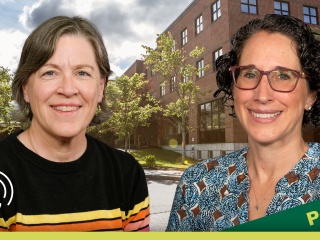
Michelle LaBounty was 24 when her world changed forever. In March 1994, her mother, Jeri Jo Linney, died of a heart attack at 45. It was sudden and shocking — something no one saw coming.
“You don’t even realize who that person is and how much they mean until they’re not there anymore,” LaBounty says.
Linney was the glue of the family: generous, thoughtful and quietly powerful. She planned holidays, made birthdays special and never sought recognition. But for two years before her death, Linney struggled with extreme fatigue. After teaching all day, she needed a nap just to make dinner. She also told her doctor her heart would “flutter” — racing often. The response: probably stress or anxiety.
Weeks before the heart attack, Linney complained of jaw and neck pain. She even saw a dentist, thinking it was dental-related. No one suspected her heart. She was young. She was a woman. And at the time, heart disease in women wasn’t widely discussed.
Now, LaBounty won’t stop talking about it.
“I just want people to know the signs. We had no idea the symptoms my mom was experiencing were red flags until we were in the ER and it was too late. Don’t ignore them. Don’t be embarrassed. Get checked out.” - Michelle LaBounty
Why Women’s Symptoms Can Be So Different
Hanna Slim, MD, a cardiologist at University of Vermont Health – Champlain Valley Physicians Hospital, says the difference is biological. “Men often describe that classic crushing chest pain, like an elephant sitting on the chest,” Dr. Slim says. “Women, on the other hand, tend to have more subtle symptoms. That’s partly because women are more likely to develop diffuse coronary disease. Instead of one big blockage, plaque builds up more evenly along the artery walls.”
Hormone changes before and after menopause also affect blood vessels and how women perceive pain. So symptoms can feel less localized and harder to recognize, he says.
The Sneaky Signs Women Overlook
In real life, Dr. Slim says the most commonly missed symptoms include:
- Shortness of breath with minimal effort
- Indigestion
- Unusual fatigue
- Lightheadedness
- Sleep disturbances
“These symptoms often creep in gradually,” he says. “And because women juggle so much — work, family, caregiving — they tend to chalk it up to stress, anxiety, menopause or just getting older.”
Early Warnings Can Show Up Weeks Ahead
Those vague feelings can start long before the actual heart attack.
“We often hear women say, ‘I just didn’t feel right,’ weeks or even months before,” Dr. Slim says. “If you notice new, unexplained fatigue or shortness of breath that doesn’t go away, talk to your doctor — especially if you have risk factors like diabetes, high blood pressure, high cholesterol, smoking or a family history of heart disease.”
Why Gender Bias Still Matters
For decades, heart disease research focused mostly on men, shaping how symptoms were taught and recognized. “Our idea of ‘classic’ symptoms comes from men,” Dr. Slim says. “We’re working hard to change that, but gender bias still plays a role in delayed diagnosis. It’s not intentional. It’s a gap in research and awareness.”
When in Doubt, Get Checked
So how can someone tell the difference between heart trouble or something like acid reflux?
“It can be hard — even for doctors,” Dr. Slim says. “My advice? If you have a new symptom that persists, don’t take chances. We have noninvasive tests that can rule out heart problems. Your heart is too important to ignore.”