COVID-19 Care at UVM Health
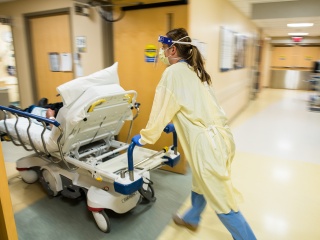
COVID-19 is a highly contagious respiratory illness caused by a coronavirus called SARS-CoV-2. Some people who contract COVID-19 have cold- or flu-like symptoms and get better. Others develop life-threatening problems that require hospitalization.
People with long COVID-19 have symptoms that persist for weeks, months or years. The COVID-19 vaccine can lower your risk of infection and serious illness.

Why Choose UVM Health?
At University of Vermont Health, our primary care providers expertly diagnose and treat COVID-19 and long COVID. We offer science-based treatments that lower your risk of complications and hospitalizations. Our goal is to help you feel better faster and prevent the spread of illness to others.
As one of the leading primary care programs in the region, we offer:
- Research-based care: Our health care teams are at the forefront of COVID-19 research so you always have access to the most current, effective treatments.
- Latest treatments: We offer advanced care to protect you and others. If you experience serious illness, we get you in quickly for a prompt treatment.
- Help for long COVID: We provide advanced medical care for long COVID or post-COVID health issues. Depending on your symptoms, your care team may include various specialists throughout our health system.
COVID-19 Symptoms
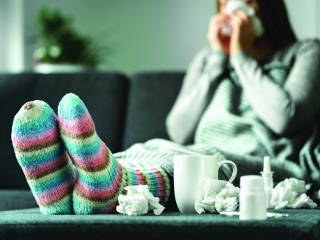
COVID-19 affects everyone differently. Symptom severity depends on factors like your age, overall health and vaccination status. People who have weakened immune systems or chronic health conditions like obesity, asthma or diabetes are more likely to develop severe symptoms.
- Cough, congestion or runny nose
- Extreme fatigue
- Fever and chills
- Headaches
- Loss of sense of smell or taste
- Muscle or body aches
- Nausea, vomiting or diarrhea
- Shortness of breath and other breathing problems
- Sore throat
- Chronic cough, headaches, body aches or rash
- Fatigue that affects daily functioning
- Heart palpitations, racing heart or chest pain
- Loss of sense of smell or taste
- Memory or concentration problems (brain fog)
- Persistent shortness of breath or breathing problems
- Stomach pain and diarrhea
- Worsening of symptoms after physical or mental exertion
Diagnosing COVID-19
There are three different tests to diagnose COVID-19.
Molecular COVID-19 tests, also called polymerase chain reaction (PCR) tests, are highly accurate. They're considered the “gold standard” of COVID-19 tests. These tests look for genetic material found in the COVID-19 virus. Testing occurs at a health care facility and requires sending a collected sample to a lab. You get the results in a few days.
Molecular tests take place via:
- Nasal swab: A provider uses a nasal swab to collect mucus samples from your nose.
- Saliva sample: You fill a tube with saliva under a provider’s guidance.
If you are experiencing symptoms of COVID-19, you can call and get a molecular test from:
More commonly known as rapid COVID-19 tests, these tests check for proteins (antigens) found on the surface of the COVID-19 virus. You get results in less than 20 minutes. Antigen tests can take place at home or at a testing site. You should follow the test directions that come with at-home kits.
Rapid tests are more likely to give false negative results, which means results indicate you don’t have the virus when you really do. If you get a negative result, you should do another antigen test within 48 hours. A positive COVID-19 result is almost always accurate.
Rapid COVID-19 tests are available from:
- Community-based testing sites
- Local and online pharmacies and retailers
An at-home rapid molecular test can detect the COVID-19 virus, as well as influenza viruses that cause flu, in less than 30 minutes. COVID-19 and flu cause similar symptoms, making it difficult to know which illness you have. An accurate diagnosis is critical because COVID-19 and flu treatments are different.
The self-administered Lucira® COVID-19 and Flu Test uses a nasal swab sample to check for COVID-19 and flu viruses. You may be able to purchase this combination rapid test online.
It's important for people with long-lasting COVID symptoms to know that they're not alone and that they have support.
COVID-19 Treatments
COVID-19 treatments depend on factors including your symptoms, how severe those symptoms are, your age and overall health. At UVM Health, you have access to the latest, most effective COVID-19 treatments. Our health care teams tailor treatment plans for your unique needs and symptoms.
People with mild COVID-19 symptoms, or who are low risk for severe complications, often get better with at-home care. Symptoms typically improve within two weeks.
At-home care for COVID-19 may include:
- Isolating: Stay home and isolate yourself from others for at least five days after the onset of symptoms.
- Masking: Wear a mask if you must be around others. You should wear a mask for 10 days after the onset of symptoms or until you have two negative rapid test results within a 48-hour period.
- Medicating: Ask your provider about taking over-the-counter medications to ease headaches, fever, sore throat and other symptoms.
- Taking it easy: You should rest and drink plenty of fluids to prevent dehydration.
Antiviral medications help your body fight the COVID-19 virus. These drugs can shorten the duration of COVID-19, helping you feel better faster.
Antiviral medications for COVID-19 include:
- Molnupiravir (Lageviro™) oral capsules
- Nirmatrelvir and ritonavir (Paxlovid™) oral tablets
- Remdesivir (Veklury®) daily IV infusions for hospitalized patients, as well as outpatients
Your provider may prescribe an antiviral medication if you have:
- Chronic health conditions or advanced age that increase your risk of severe illness and hospitalization
- Mild to moderate symptoms for less than five days for oral drugs or seven days for IV treatment
- Severe symptoms that require hospitalization and IV antivirals
Your primary care provider can coordinate your medical care. Your care team may include heart and lung specialists, neurologists, physical and occupational therapists, digestion experts and others.
We offer pulmonary rehabilitation for individuals of all ages that have a hard time breathing due to a variety of lung conditions, such as COVID-19. Pulmonary rehabilitation combines exercise, education and psychosocial support to strengthen your physical and emotional well-being.
Patient Resources
Patient Wellness and Coping Skills Support Group
Patients with long COVID participate twice a month to support one another in coping with the changes and stresses that come along with this disease on physical, financial, occupational and relationship levels. The group is currently only available to participants who are in the state of Vermont at the time of the meeting, and is currently free of charge. This group is facilitated by a Licensed Clinical Social Worker.
Meets the 1st and 3rd Monday of each month from 11 am-12 pm online.
To learn more or register please email GretchenKitsosLICSW@gmail.com.
Peer-Led Long COVID Support Group
This peer-run group offers a safe, supportive space for individuals living with long COVID to connect, share experiences and support one another. Facilitated by people with lived experience, the group focuses on mutual understanding, practical coping strategies and reducing isolation.
Meets online on the third Wednesday of each month from 5 - 6pm.
Email COVID19RecoverySupport@UVMHealth.org to receive the meeting link.
University of Vermont Medical Center is participating in the NIH RECOVER Network studying long COVID syndrome in patients whose symptoms linger months after recovering from the disease. The principal investigators are David Kaminsky, MD and Katherine Menson, DO.
Stay Protected This Virus Season
Staying up to date on your vaccines helps reduce the severity and length of respiratory illness, protecting both you and your loved ones.
Get vaccinated today!
Flu, COVID-19 and RSV vaccines are available at local pharmacies and clinics.

Locations Near You
Share your location to see nearby providers and availability
15 Fourth Street
Malone, NY 12953-1340
78 Park Street
Elizabethtown, NY 12932
44 Collins Drive
Middlebury, VT 05753-8502
18 Community Center
Wilmington, NY 12997
353 Blair Park Road
Williston, VT 05495-7530
1 South Prospect Street
Level 3
Burlington, VT 05401-5505
246 Granger Road
Suite 1
Berlin, VT 05602-5352
130 Fisher Road
MOB C
Berlin, VT 05602-9000
87 Paine Mountain Drive
Northfield, VT 05663-5791
111 Colchester Avenue
Main Campus, East Pavilion, Level 5
Burlington, VT 05401-1473