Vascular Surgery & Endovascular Therapy
Vascular Surgery & Endovascular Therapy at UVM Health
At University of Vermont Health, you receive comprehensive vascular surgery and endovascular therapy from a team of skilled specialists. Our team offers a wide range of advanced procedures to treat conditions that affect blood vessels, including minimally invasive options. We schedule imaging on the same day as your physician consultation, so there’s no delay in scheduling surgery.
Our advanced vascular imaging and surgical services are available at clinic locations throughout Vermont and northern New York. Your surgeon works with you throughout your entire care journey, getting to know you to better understand your needs and create a personalized care plan.

Why Choose UVM Health?
As one of the leading vascular surgery programs in the region, we offer:
- Care for aortic diseases: UVM Center for Aortic Diseases is a multidisciplinary team of vascular and cardiothoracic surgeons, cardiologists and radiologists that diagnose and treat patients with complex aortic disease. We work with you to develop a comprehensive and personalized treatment plan to help you live a full, healthy life.
- Specialized care: Our vascular surgeons subspecialize in specific diseases, treatments and advanced surgical options, such as complex aortic stenting, vein surgery or treatment for thoracic outlet syndrome, ensuring you're treated by a specialist with particular expertise in your diagnosis.
- State-of-the-art imaging: The certified vascular technologists in the David Pilcher Noninvasive Vascular Laboratory perform more than 9,000 studies every year with state-of-the-art tools to produce more accurate diagnoses that lead to effective treatment plans.
- Leadership in education: Our surgeons are passionate about training the generation of vascular surgeons through our fellowship program. We develop fellows into sub-specialists, expert in the comprehensive care of arterial and venous disease.
Conditions We Treat
Our vascular surgeons treat an extensive range of conditions that affect your arteries and veins, including:
- Abdominal aortic aneurysm (AAA): A bulge in the portion of the aorta (the body’s largest artery) that runs through the abdomen.
- Carotid artery disease: A narrowing of the blood vessels that send blood from the heart to the brain, often as a result of buildup of a fatty substance called plaque.
- Dialysis access: A surgical procedure to establish access for hemodialysis, done in partnership with nephrologists (kidney specialists).
- Deep vein thrombosis: For select patients with deep vein blood clots, we offer procedures to dissolve the clot or stent the blocked vessel.
- Mesenteric disease: A narrowing of the arteries that carry blood to the intestines, typically caused by plaque buildup, that may cause pain after eating and lead to significant weight loss and fear of eating.
- Peripheral aneurysms: A bulge in the wall of one of the arteries in your arm or leg.
- Peripheral artery disease (PAD) and peripheral vascular disease (PVD): A narrowing of the blood vessels that take blood away from the heart, often affecting the legs and feet.
- Thoracic aortic aneurysm (TAA): A bulge in the portion of the aorta that runs through the chest.
- Thoracic outlet syndrome (TOS): The compression of the nerves or blood vessels in the space between the first rib and collarbone (thoracic outlet).
- Vascular trauma: Injuries that cause damage to blood vessels.
- Vasculitis: Blood vessel inflammation that can lead to blood vessel thickening and restricted blood flow.
- Vasospastic disorders: Occur when small blood vessels near the surface of the skin spasm, restricting blood flow.
- Venous insufficiency: Occurs when the leg veins don’t carry blood to the heart as efficiently as they should, sometimes resulting in swollen, enlarged veins (varicose veins).
- Venous leg ulcers: We treat leg wounds from venous disease with bandaging in our clinics to reduce swelling and promote healing.
A Message to Our Patients
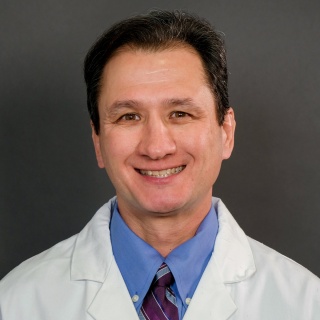
As Division Chief of Vascular Surgery and Endovascular Therapy at UVM Health, I want to personally thank you — on behalf of our entire vascular surgery team — for trusting us with your care.
Our team is dedicated to delivering the highest quality, evidence-based care for the full spectrum of arterial and venous conditions, using the most advanced diagnostic tools, minimally invasive therapies and open surgical techniques available.
We believe in caring for each patient as an individual — with compassion and respect — while working in close partnership with you, your family and your referring providers. Whether you are seeking treatment, a second opinion or long-term follow-up, our mission is to provide safe, effective, personalized and comprehensive vascular care that supports you every step of the way. - Daniel Bertges, MD
Types of Vascular Surgeries
Our talented vascular surgeons offer a range of procedures individualized for each patient, from least invasive to most major open operations.
Types of vascular surgeries we specialize in include:
We use both open and minimally invasive (endovascular) procedures to treat aortic aneurysms. During endovascular repair, we insert a flexible, hollow tube (catheter) through an artery in the groin and guide it to the aneurysm. Then we place a mesh-like tube called a stent graft in the aorta to reinforce the weakened portion and seal off the aneurysm. Our surgeons use a range of innovative graft options, including complex physician-modified endografts and fenestrated aortic endografts.
Patients with carotid artery plaque may be at risk for stroke. We offer both carotid endarterectomy surgery to remove plaque and carotid stenting to open the vessel. Carotid stenting is done with an advanced procedure called transcarotid artery revascularization (TCAR) in which a small incision is made about the collar bone to place a metal stent in the blood vessel
Restricted blood flow, traumatic injuries or extensive infection may increase your risk of losing all or part of your limb (amputation). We offer multiple procedures to improve blood flow and lower your risk of limb loss. When it’s necessary, our vascular surgeons perform amputations that treat the problem while preserving as much of your limb as possible.
In addition to using minimally invasive and catheter-based techniques, our surgeons also offer open surgeries when appropriate. These procedures may include bypass surgery to redirect blood flow around blocked blood vessels or endarterectomy to remove plaque from arteries.
We offer a range of procedures to treat peripheral vascular disease. Our goal is to restore proper blood flow and reduce symptoms like leg pain or numbness. Based on your diagnosis, we may use catheter-based techniques to insert a balloon or stent to open blocked blood vessels. If needed, our surgeons also offer open bypass surgery to redirect blood flow around the blocked vessel.
Our vascular surgeons partner with neurosurgeons and orthopedic surgeons for procedures like artificial disc replacement and spinal fusion. These surgeries reduce back and neck pain, improving your functioning and quality of life. Vascular surgeons make incisions to expose the spine without damaging the complex network of blood vessels in the back. If any bleeding or blood vessel damage occurs during the orthopedic surgery, vascular surgeons can repair the area with grafts or other techniques.
Our vascular surgeons specializing in thoracic outlet syndrome (TOS) offer decompression surgery to treat severe TOS. This procedure reduces severe symptoms such as neck and shoulder pain or numbness in your hands. We typically remove a portion of the first rib to relieve pressure on the blood vessels and nerves. When needed, we also repair blood vessels in the thoracic outlet, remove blood clots or replace damaged blood vessels with grafts.
We specialize in procedures for dialysis access. Dialysis is a kidney failure treatment that filters excess fluids, toxins or other waste products from your body. Dialysis access procedures help your blood flow smoothly through the dialysis machine. They may involve connecting an artery and vein (native fistula), placing synthetic material between an artery and vein (graft) or a hybrid approach.
Vascular surgeons offer an array of procedures to treat venous insufficiency and varicose veins. We use a range of minimally invasive techniques that use small incisions. You experience less pain and scarring and recover more quickly, returning home the same day.
Awards & Certifications
Vascular Quality Initiative
UVM Health was one of four founding institutions in the Vascular Quality Initiative (VQI), an outcomes database with the Society of Vascular Surgery. Today, the VQI includes more than 900 hospitals across the country and in Canada. We track our results in nationwide databases and continually meet — or even exceed — national benchmarks. Our vascular surgery team has received recognitions from the Vascular Quality Initiative, including:
- 3-star Participation Awards, the highest achievement available, for multiple years in a row
- Awards for outstanding performance in long-term patient follow-up
Locations near you
Share your location to see nearby providers and availability
1311 Barre-Montpelier Road
Barre, VT 05641
214 Cornelia Street
Suite 102
Plattsburgh, NY 12901-2332
133 Park Street
Second Floor
Malone, NY 12953-1244
111 Colchester Avenue
Main Campus, Main Pavilion, Level 5
Burlington, VT 05401-1473