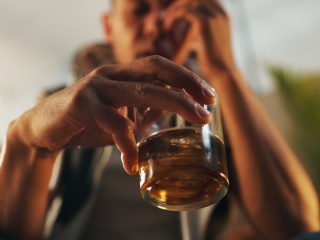
Substance use can affect how you think, feel and behave. Changing your relationship with substances is the first step to regaining control of your health.
Why Consider Reducing or Quitting?
Substance and alcohol use affect everyone differently, but taking steps to reduce or stop can lead to meaningful improvements in your daily life and long-term health, including:
- Better physical health: Improved heart, lung and liver function; lower risk of developing chronic disease.
- Improved energy and mental health: Clearer thinking and more stable moods, and fewer concerns with anxiety, depression or sleep.
- Stronger relationships: Substance use can strain your family, personal and professional relationships. Recovery can help rebuild trust and connection.
- Increased safety: Lower risk of injury, overdose or medical emergencies.
How to Reduce or Quit
Change doesn’t have to happen all at once — small, steady steps can make a meaningful difference. Here are some helpful strategies:
Consider creating a SMART goal — Specific, Measurable, Achievable, Relevant and Time‑bound. SMART goals make progress easier to track and celebrate.
Examples include:
- I will reduce my drinking to two days a week for the next month.
- I will limit cannabis use to evenings only for the next two weeks.
For some people, cutting back slowly feels more manageable and sustainable. Options might include:
- Reducing frequency (e.g., fewer days per week)
- Reducing amount (e.g., fewer drinks or smaller doses)
- Increasing time between uses
If you use heavily or have concerns about withdrawal, talk with a health care professional before making changes.
Understanding what leads to substance use can help you plan ahead. Triggers can be:
- Stress or difficult emotions
- Certain people or places
- Boredom or routine habits
Try creating a plan for how you’ll respond when triggers show up — such as practicing deep breathing, taking a walk or reaching out to a trusted friend.
Substance use often becomes part of daily routines. Replacing those moments with new habits can help you stay on track:
- Exercise or outdoor activities
- Journaling or mindfulness
- Social activities that don’t involve substances
- Creative hobbies like art, music or cooking
You don’t have to do this alone. Support can make a big difference, whether it's from family, friends, peer groups or health care providers. If you’d like professional guidance, our care team is here to help you explore treatment options, recovery resources and personalized support.
Individualized Treatment to Meet Your Needs
If you’re concerned about your relationship with drugs, sedatives, stimulants, cannabis or alcohol — even if you’re not sure if you have a substance use disorder — reach out to your primary care provider. They can help assess your needs, and, if specialist care is recommended, connect you with UVM Health's Addiction Treatment Center.
Our specialists will work with you to create a personalized treatment plan based on your goals, challenges and preferences.
Patient Resources
Sana at Stowe
3430 Mountain Road
Stowe, VT 05672
Services: Medically supervised withdrawal management and residential SUD treatment.
Serenity House
98 Church Street
Wallingford, VT 05773
Services: Medically supervised withdrawal management and residential SUD treatment.
Valley Vista
23 Upper Plain
Bradford, VT 05033
Services: Medically supervised withdrawal management and residential SUD treatment.
CrossRoads
45 San Remo Drive
South Burlington, VT 05403
Services: A combination of supportive counseling, coping skills training and psychiatry services grounded in dialectical behavioral therapy.
Howard Center
855 Pine Street
Burlington, VT 05401
Services: Intensive support for individuals making the transition from residential or community-based treatment, or for those who need more frequent individual and/or group counseling.
River Rock
125 College Street, 5th Floor
Burlington, VT 05401
Services: Intensive individual and group therapy, evidence-based and trauma-informed treatment, and coping skills and recovery coaching.
Seneca Center (University of Vermont Medical Center)
1 South Prospect Street, 6th Floor
Burlington, VT 05401
Services: Intensive group-based therapy, coping skills training, individual care management and medication consultation.
Peer support communities provide encouragement, understanding, guidance and assistance. Online programs include:
- Alcoholics Anonymous (AA)
- AA Agnostica
- Gamblers Anonymous
- Lion Rock Recovery
- Narcotics Anonymous (NA)
- Overeaters Anonymous
- Recovery Dharma
- Refuge Recovery
- SMART Recovery
- We Connect Recovery
In-person programs include:
Turning Point Center of Chittenden County
179 South Winooski Ave
Burlington, VT 05401
Services: A safe, supportive environment for those in need of recovery assistance, such as peer-support groups, recovery coaching, sober recreational activities or just a sympathetic ear.
- Al-Anon/Alateen: A community of family members and loved ones who have been impacted by an individual’s substance use disorder. Alateen is specifically for young people in their teens. Their website provides listings of meetings in Vermont listed by day and location, as well as other resources.
- VT Healthlink: A free and confidential statewide, public resource for finding substance use treatment and recovery services in Vermont.
- SAMHSA Find Treatment: A confidential and anonymous resource for those seeking treatment for mental and substance use disorders in the United States.
- Psychology Today: An online directory of clinical professionals, psychiatrists and treatment centers providing mental health services.
Screening Form
Interested in Addiction Treatment services at UVM Health? Please complete our screening form and a member of our team will follow up with you.