Expert Q+A: Cancer and Nutrition
I'm a dietitian for cancer patients. Here are five questions I hear the most.
When you're facing cancer, food can seem like a friend or foe. And with so much information about cancer and nutrition out there, it’s hard to know what to eat and who to trust. We asked Jessica Fischer, RD, an oncology dietitian with University of Vermont Cancer Center, about the five questions she hears most from patients. As always, talk to your doctor before making changes to your diet, or consult a registered dietitian, who can give you a full dietary assessment and recommendations that are right for you.
5 Questions About Cancer and Your Diet
1. Does sugar “feed” cancer?
Not exactly. "Sugar feeds everything in your body,” says Fischer. “Whatever you eat gets broken down during the metabolic process into blood sugar and other energy sources that feed your cells, including cancer cells.” So cutting sugar from your diet won’t selectively starve cancer cells, and there’s no evidence that avoiding sugar slows cancer growth.
For people going through cancer, it helps to think about how healthy and nutrient-packed their whole diet is. When your diet is mostly made up of processed foods — cookies, candy, soda — you’re getting a lot of sugar but not many vitamins or minerals. That can crowd out healthier options like fruits, vegetables, whole grains and lean protein sources that help your body stay strong during cancer treatment and recovery.
But some of those healthier foods aren’t always an option. Digestive issues, nausea and loss of appetite are common with cancer patients. In these cases, calories matter more than perfection. "We don't want patients eliminating any kind of food if they are already struggling to eat enough,” says Fischer. “Malnutrition is responsible for 20% of cancer related deaths, so if ice cream is all you can eat that day, that’s better than nothing.”
You can also boost the nutritional value of your favorite comfort foods. “Adding walnuts to homemade chocolate chip cookies is a great example of how to up the nutritional value of comfort food,” Fischer adds.
2. What kind of diet is best for cancer patients and survivors?
Fischer directs her patients to the American Institute of Cancer Research (AICR), which describes the ideal diet for cancer patients as a “whole foods, plant-based diet.” This means focusing on colorful fruits and vegetables, whole grains, legumes, nuts, and seeds — all rich in fiber, antioxidants, and essential vitamins like C and E.
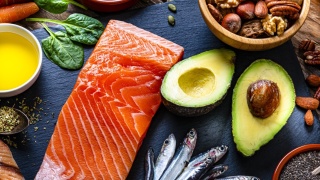
But this isn’t a one-size-fits-all prescription. “Cancer patients tend to have low appetites, and higher protein needs than normal, and they can often become anemic,” Fischer explains. “I encourage my patients not to eliminate high-quality sources of animal proteins like fish, poultry, eggs, meat or dairy as these can provide a hearty dose of nutrients in small volumes.” Fischer is also a strong advocate of eating fish and seafood: they’re rich in omega fatty acids, which studies show can benefit patients battling cancer.
3. Can I eat red meat?
Yes — with some important caveats. Red meat itself does not directly cause cancer. The concern often lies in how it’s processed and prepared, as well as the frequency of intake. “Eating a lot of processed red meats like bacon, sausage, and deli meats is associated with an increased risk of colon cancer — but this may have to do with nitrates, high salt content and other preservatives present in these foods,” explains Fischer. There isn’t enough data to say what amounts to a “safe amount” of processed meat consumption, so the AICR recommends avoiding or significantly limiting these foods in one’s diet.
Unprocessed red meats like beef, pork, or lamb, are a great source of calories, iron, zinc and B-12. The quality of meat may also play a role in its nutrient density: grass-fed beef contains higher levels of omega-3 fatty acids compared to grain fed beef. The AICR recommends:
- Limit red meat intake less than 18 ounces per week
- Focus on other sources of protein: fish, poultry and plant-based sources like lentils, peas, or beans
Generally speaking, moderation and variety are key. “It’s important to look at the totality of the diet,” Fischer notes. “No single food is inherently harmful, but relying too heavily on one type of food limits your exposure to the diverse nutrients found in other foods. Rather than looking at what to avoid, consider what you can add based on what nutrients your diet is missing.”
4. Will soy contribute to my cancer’s growth?
Whole soy foods — like tofu, tempeh, and edamame — do not cause cancer. In fact, they can be a smart addition to a cancer patient’s diet.
“Population studies show that the more whole soy foods people eat, the lower their cancer risk,” says Fischer. “We also see lower rates of breast cancer in these populations.”
Whole soy foods are also nutrient-rich. Take tofu:
- It’s high in protein (as most whole soy foods are)
- It’s also rich in calcium, iron and omega-3s
- The mild flavor can be soothing for patients dealing with nausea or digestive issues
One caveat: soy protein isolates or concentrates — often found in processed vegetarian foods (think protein shakes and imitation burger meat) — aren’t known to be harmful, but some patients might have trouble digesting them.
5. How much fiber should I be eating?
It depends. “Fiber is one of those nuanced nutrients where, depending on your type of cancer, treatment, and symptoms, the strategy is going to change,” says Fischer.
Fiber feeds bacteria in our gut microbiome, which in turn supports a healthy immune system and digestion, and fights inflammation. In terms of cancer prevention and overall gut health, the greater the variety of plant fibers we feed our gut, the better. In fact, studies show that higher fiber intake may even improve outcomes for patients receiving immunotherapy. However, immunotherapy can sometimes upset your stomach, so it’s important to think about your overall eating habits — not just what you eat today, but how you eat over time.
Some types of fiber can make stomach problems worse, especially if your digestive system is already sensitive from cancer or its treatment. And since everyone reacts differently, it’s good to pay attention to how your body responds. That's why some patients may need to temporarily reduce or alter their fiber intake. “Think of your gut microbiome like you would your skin: if you're sunburned, it’s best to avoid the sun and allow your skin time to recover,” says Fischer. In these cases, a low-fiber diet — like the BRAT diet (Bananas, Rice, Applesauce and Tea or Toast) — can help calm the system for a day or so. For patients experiencing constipation, fluids and gentle movement are key.
Ultimately, there’s no one-size-fits-all fiber recommendation for cancer patients. “It’s about tuning into what's happening to your body at the moment,” says Fischer. “And recognizing that your needs will change as you move through treatment.”
Try This Healthy, Plant-Based Recipe
Hot tip: Ensure there’s always a healthy meal within reach by preparing nutritious dishes in advance and freezing them. This plant-based soup is packed with fiber and protein and cooked way down to make it easy easier to digest.
One Pot Lentil or Grain Vegetable Soup
Refrigerate for up to five days or freeze for up to two months
Ingredients
- 2 tablespoons extra-virgin olive oil
- 3 cups fresh or frozen chopped onion, carrot and celery mix
- 4 cloves of garlic, chopped
- 4 cups low-sodium vegetable or chick broth
- 1 ½ cups green or brown lentils (or pasta, rice, etc.)
- 1 (15 oz) can unsalted diced tomatoes, undrained
- 2 teaspoons finely chopped fresh thyme
- ½ tsp salt
- ½ tsp ground pepper
- ½ tsp crushed red pepper
- 3 cups chopped kale
- 1 ½ tablespoon red wine vinegar
- 1 ½ tablespoons fresh parsley for garnish
Directions
- Heat oil in a Dutch oven or large pot over medium heat. Add chopped onion, carrot and celery mix; cook, stirring occasionally, until softened, 6 to 10 minutes. Add garlic, cook, stirring often, until fragrant, about 30 seconds
- Stir in broth, lentils, tomatoes, thyme, salt, pepper, crushed red pepper. Bring to a boil over medium-high heat. Reduce heat to medium-low; cover and cook, stirring occasionally, until the lentils are almost tender, 15-25 minutes, adding water as needed to thin to desired consistency.
- Stir in kale. Cook, covered, until the kale is tender, 5 to 10 minutes. Stir in vinegar. Divide the soup among 6 bowls, sprinkle with parmesan. Garnish with parsley, if desired.
Adapted from Eatingwell.com