Cancer Genetics & Prevention Program
Cancer Genetics & Prevention at UVM Cancer Center
Our Cancer Genetics and Prevention program includes a team of medical oncologists, genetic counselors and other health professionals. We provide comprehensive genetic counseling and testing, cancer risk assessment and personalized recommendations for managing cancer risk.
Most cancers occur due to acquired genetic changes that are not passed down through a family. However, about 10% of cancers are due to an inherited genetic variant. If you have a personal or family history of cancer, you may be eligible for genetic counseling and testing.

Why Choose UVM Health?
Our cancer genetics and prevention program offers:
- Experience: We have been helping individuals and families determine their cancer risk for more than 25 years. As part of a health system anchored by an academic medical center, many of our physician-leaders are helping to train the next generation of experts.
- Research: Our specialists conduct and continuously review research to improve care for patients with hereditary cancer syndromes. Our physicians are active researchers in the field of genetic counseling and testing.
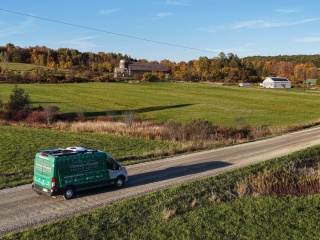
- Access: Testing is convenient, no matter where you live, and our services are available throughout Vermont and northern New York. We offer genetic counseling in person at University of Vermont Medical Cancer Treatment Center or remotely via digital health.
- Support: Our compassionate team supports patients from genetic testing through the development of personalized cancer risk assessment and management plan. We can also connect you with local or national support groups.
- Follow-up care: For patients with hereditary cancer syndromes, such as breast and ovarian cancer syndromes (BRCA1 and BRCA2), Lynch Syndrome and other rare syndromes, we offer long-term follow-up care to give you access to up-to-date, personalized cancer risk management strategies.
The geneticist was thorough, thoughtful, warm and full of information. Her work likely led to a more complete picture of my profile."
What to Expect From Cancer Genetic Testing
Certain types of cancer are known to run in families, and research is uncovering genetic links in cancers that were not previously thought to be inherited. At UVM Health, our cancer genetics program provides the most up-to-date cancer genetics information for you and your family. We are by your side with support, education and guidance throughout the whole process.
Personal and family history will determine the type of testing that is ordered. Your genetic counselor will contact you to discuss the results.
Receiving Your Results
The results of genetic testing can clarify your personal risk for cancer and determine whether your family members also have increased cancer risk. Our medical oncologists and genetic counselors help you understand and process your results so you can determine your next steps.
If your results show that you carry a likely pathogenic or pathogenic variant linked to cancer, we will schedule a time for you to meet with a genetic counselor and a medical oncologist who specializes in genetics care. Based on your risk, we will discuss screening and prevention options. We will support you through the decision-making process.
If you have a positive result, you also receive information about the genetic variant and how family members can make their own appointments for genetic counseling and testing. If family members live outside Vermont or northern New York, we can connect them with experts in their area.
A negative test does not eliminate the risk of inherited cancer. You may still receive risk estimates based on your family history of cancer as well as a personalized cancer screening and prevention plan.
Sometimes genetic testing can reveal a variant of uncertain significance. This means that it is unclear if this variant is associated with increased cancer risk or is a benign finding. There will be no recommendation for enhanced screening and prevention based on this finding, but will be based upon your family history. Our team will reach out to you when there is a reclassification of this variant in the future.
Resources
Watch our video to learn how genetic testing for hereditary risk works and how results can:
- Support cancer treatment
- Impact recommendations for monitoring and preventing future cancers
- Help you and your family make informed decisions about your health
Clinical Trials
The UVM Cancer Center supports more than 100 active clinical trials focused on prevention, screening, treatment, supportive care and survivorship.

Locations near you
Share your location to see nearby providers and availability
111 Colchester Avenue
Main Campus, Main Pavillion, Level 2
Burlington, VT 05401
75 Beekman Street
Plattsburgh, NY 12901-1438
111 Colchester Avenue
Main Campus, East Pavilion, Level 2
Burlington, VT 05401