Peritoneal Cancer
Peritoneal Cancer Care at UVM Cancer Center
Peritoneal cancer is an abnormal growth of cells in the membrane that lines the abdominal cavity and covers the abdominal organs (peritoneum). This cancer can start in the peritoneum or spread there from another location.
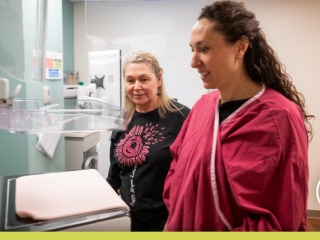
At University of Vermont Health, we provide comprehensive peritoneal cancer care in a supportive, caring environment. Our skilled clinicians take a coordinated, team-based approach, working together to develop your customized treatment plan.
Why Choose UVM Health?
As a leading cancer program in the region, we offer:
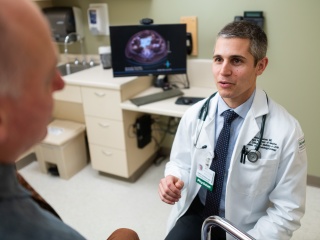
- Expert team: You receive care from a multidisciplinary team, led by board-certified surgical oncologists with deep experience in peritoneal cancers. They may work alongside medical oncologists, radiation oncologists, pathologists and radiologists who specialize in gastrointestinal cancers or gynecologic cancers. As part of a health system anchored by an academic medical center, our physician-leaders are also active researchers.
- Personalized care: Based on your unique condition, your care team determines the most appropriate therapies, and at what point in your treatment they might offer the greatest benefit. Throughout your care journey, we monitor your progress and adjust treatment as necessary.
- Leading-edge treatments: We are the only cancer program in Vermont and northern New York to offer hyperthermic intraperitoneal chemotherapy (HIPEC), which delivers a heated chemotherapy solution to the abdomen after surgery to destroy any remaining cancer cells.
Types of Peritoneal Cancer
At UVM Health, we offer care for all types of peritoneal cancer, including:
- Primary peritoneal cancer: Starts in the peritoneum and includes peritoneal mesothelioma
- Secondary peritoneal cancer: Spreads to the peritoneum from other locations, such the appendix, stomach, colon, rectum or ovary
Peritoneal Cancer Treatment
Your treatment may include one or more of the following therapies:
Cytoreduction surgery is the preferred treatment for peritoneal cancer. Cytoreduction involves the removal of all visible cancer.
Depending on the type and severity of cancer, you may also receive HIPEC in conjunction with cytoreduction to destroy any remaining cancer cells. During HIPEC, the surgeon applies a chemotherapy solution heated to 104-109 degrees Fahrenheit to the peritoneal cavity. The solution circulates for about 90 minutes and is then removed.
Our surgical oncologists have a high level of expertise in performing cytoreduction surgery and HIPEC. Patients typically stay in the hospital for seven to ten days following the procedure.
Medical oncology uses the latest drug therapies to treat cancer. For peritoneal cancer, we offer advanced medical oncology treatment options, including:
- Chemotherapy: Chemotherapy slows or stops the growth of cancer cells. Your doctor may use chemotherapy before surgery to reduce tumor size and prevent the cancer from spreading to other tissues. After surgery, chemotherapy can reduce the risk of cancer returning.
- Targeted therapy: Targeted therapy agents bind to specific molecules on cancer cells and attack them. Genetic testing on a sample of cancer tissue collected through a biopsy or during surgery determines if targeted therapy will be effective. UVM Health is home to the only cancer program in the area with on-site genetic testing. Your doctor may recommend targeted therapy after surgery or if you are unable to have surgery.
- Immunotherapy: Immunotherapy, which trains your immune system to destroy cancer cells, is an appropriate treatment for some types of peritoneal cancer. Your doctor will let you know if immunotherapy is an option for you as an approved treatment or through a clinical trial.
Doctors typically only use radiation therapy to treat peritoneal cancer when surgery is not an option. In these cases, radiation therapy can help control tumor growth or relieve tumor-related symptoms.
Peritoneal Cancer Program Highlights
At UVM Health, you receive high-quality, compassionate cancer care. Features of our peritoneal cancer program include:
Our physicians are active researchers who participate in and lead clinical trials to develop more effective ways of treating peritoneal cancer. Through participation in a clinical trial, eligible patients have access to new drugs, treatment regimens and combinations of treatments.
Clinical trials are always part of care team discussions. If you are eligible for a specific trial, your provider will explain the benefits and risks of participating and let you know the next steps for enrollment. Participation in a clinical trial is entirely voluntary.
We understand that cancer treatment can be stressful for you and your family. Our nurse navigators are by your side throughout your cancer journey to coordinate appointments, answer questions and guide your care.
At UVM Health, we also offer a full range of supportive care services. Social workers provide emotional support and can help solve practical challenges, like arranging transportation to appointments and navigating health insurance. Nutritional counseling and physical therapy are also important, since patients with peritoneal cancer often experience malnutrition. These services can help you improve your strength before surgery.
Other support services we provide include health coaching, massage therapy and support groups.
Peritoneal cancer treatment is available at the University of Vermont Cancer Treatment Center in Burlington, Vermont. If you live outside the Burlington area, you may receive some treatments for peritoneal cancer through our network of providers across Vermont and northern New York. Out of respect for your time, we coordinate appointments whenever possible, so you can see multiple experts in one day.
If you live more than 40 miles from the UVM Cancer Treatment Center, we partner with the American Cancer Society to offer free accommodations at Hope Lodge while you are in Burlington for treatment. Hope Lodge provides a comfortable, supportive healing environment right next to the University of Vermont Medical Center. You’ll find amenities such as private guest rooms and bathrooms, a fully equipped kitchen and free laundry facilities.
Clinical Trials
The UVM Cancer Center supports more than 100 active clinical trials focused on prevention, screening, treatment, supportive care and survivorship.

Locations Near You
Share your location to see nearby providers and availability
111 Colchester Avenue
Main Campus, East Pavilion, Level 3
Burlington, VT 05401-1473
75 Park Street
Elizabethtown, NY 12932
101 Adirondack Drive
Ticonderoga, NY 12883
111 Colchester Avenue
Main Campus, Main Pavillion, Level 2
Burlington, VT 05401
75 Beekman Street
Plattsburgh, NY 12901-1438
111 Colchester Avenue
Main Campus, Main Pavilion, Level 2
Burlington, VT 05401-1473
130 Fisher Road
Berlin, VT 05602-8132
23 Fourth Street
Suite 1 & 2
Malone, NY 12953-1331
130 Fisher Road, MOB-B
Suite 1-2
Berlin, VT 05602-9516