Vermont Regional Hemophilia Treatment Center (HTC)
Hemophilia Treatment at UVM Health
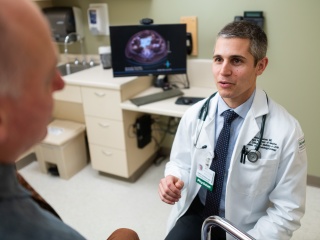
The Vermont Regional Hemophilia Treatment Center (HTC), also referred to as the Vermont Regional Bleeding Disorder Center, provides compassionate care in a state-of-the-art facility. Our center is one of only 140 in the United States, and is a federally designated Center for Excellence in bleeding disorders. This designation recognizes our expertise in pediatric and adult bleeding disorders and availability of patient support services.
We specialize in the treatment of all inherited and acquired bleeding disorders, including hemophilia, von Willebrand Disease, platelet function disorders and fibrinolytic disorders.
Why Choose UVM Health?
At University of Vermont Health, our mission is to provide high–quality, comprehensive care through treatment, education and research while empowering and improving the lives of patients with bleeding disorders.
- Expert care: Our board-certified, fellowship-trained hematologists, specially trained nurse practitioners, nurses, physical therapists and laboratory technicians collaborate to provide exceptional patient-centered care.
- Research and innovation: Our program works with the American Thrombosis and Hemostasis Network to collect anonymous information on people with bleeding disorders to promote research of these very rare diseases.
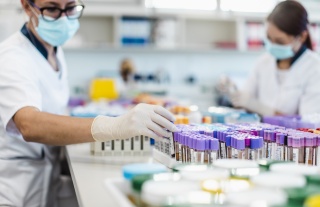
- State-of-the-art facility: One of the region’s foremost resources on bleeding disorders, our advanced coagulation lab performs highly specialized tests for diagnosing congenital and acquired bleeding and clotting disorders.
Conditions We Treat
- Hemophilia A: Also known as common hemophilia. It is caused by a lack of active clotting factor VIII.
- Hemophilia B: Also known as Christmas disease. It is caused by a lack of active clotting factor IX (9).
- von Willebrand disease: A bleeding disorder in which blood takes longer to clot because of a lack of a protein called von Willebrand factor, or a form of the protein that doesn't work well.
- Coagulation factor deficiencies: Rare bleeding disorders such as factor I, II, V, VII, X, XI, XII, XIII. Occur when rare proteins are missing in the blood that are needed for blood to clot. these are usually inherited in families.
- Platelet disorders: Occur when the blood cells that are the first defense against bleeding don’t work properly.
- Fibrinolytic disorders: Patients with these disorders are not able to keep blood clots they have made in place long enough to stop bleeding.
- Ehlers Danos type IV: A syndrome that affects collagen, which plays a major role in holding together, strengthening and providing elasticity to body cells and tissues.
- Bleeding disorders: Occur when blood does not clot normally when a person is cut or injured.
Hemophilia Treatment Center Services
If you have an existing bleeding disorder, surgery, childbirth or dental work can increase your risk of complications. Across UVM Health, our blood disorder experts work closely with your primary care physician and other specialists, including orthopedic surgeons, gynecologists/obstetricians, dentists and cardiologists to help keep you safe.
Our specialists also serve as a resource for emergency department teams and primary care physicians across UVM Health. Depending on your condition, you may be referred to our coagulation specialist team for further evaluation, specialized testing, individualized treatment strategies and genetic counseling for inherited blood disorders.
Our coagulation lab at University of Vermont Medical Center is the region's foremost resource for coagulation studies. Our state-of-the art testing enhances our ability to diagnose congenital (inherited) and acquired bleeding disorders, hypercoagulable evaluations, platelet disorders and autoimmune coagulation disorders.
Our hemophilia treatment center nursing staff is available to assist with education in the community, particularly for pediatric patients. These community services include:
- Home, daycare and school visits for teaching purposes
- Family education for newly diagnosed pediatric patients
- Education provided to doctors’ offices, as needed
- Coordination of care with regional hemophilia camps
- 24-hour pediatric and adult assistance available via phone
Some blood disorders can run in families. We work with the UVM Health Family Genetics program to provide genetic testing and counseling. Our genetic counselors help you understand your risk and what that means for your health and the health of your children.
Our team works closely with specialty pharmacies to ensure efficient delivery of factor products for self-infusion. We offer you and your family education and support on self-infusion to ensure your safety and comfort at home.
Our patient-centered approach to care includes access to support services like nutrition counseling, physical therapy, social work and mental health care.
The WHAT clinic focuses on the care of female patients with bleeding and thrombosis disorders. We provide personalized care delivered by experts in the field with the goal of improving care, quality of life and the clinical experience for women.
Specific services include:
- Evaluation of bleeding and clotting conditions such as von Willebrand’s Disease, carriers of hemophilia A and B and women with thrombophilia (clotting tendencies)
- Hematology treatment including management of acquired and inherited problems of hemostasis and thrombosis (bleeding and clotting)
- Pregnancy consultation and supportive care for women with thrombosis or bleeding disorders who are pregnant or planning a pregnancy
- Consultation for menorrhagia evaluation
Patient Resources
- New England Hemophilia Association: A non-profit organization dedicated to improving the quality of life of all persons with bleeding disorders and their families through education, support and advocacy.
- National Bleeding Disorders Foundation: Dedicated to finding cures for inheritable blood and bleeding disorders and to addressing and preventing the complications of these disorders through research, education and advocacy enabling people and families to thrive.
- Hemophilia Federation of America: A community-based, patient-centered organization committed to championing the needs of families living with debilitating bleeding disorders.
Awards & Certifications
Center for Excellence
The Vermont Regional Hemophilia Treatment Center is one of only 140 in the United States, and is a federally designated Center for Excellence in bleeding disorders. This designation recognizes our expertise in pediatric and adult bleeding disorders and availability of patient support services.
Locations near you
Share your location to see nearby providers and availability
111 Colchester Avenue
Main Campus, East Pavilion, Level 3
Burlington, VT 05401