Tick-Related Infections
Tick-Related Infection Care at UVM Health
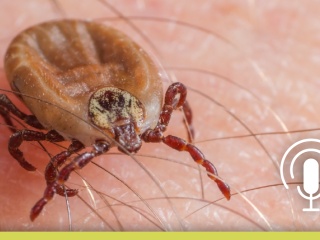
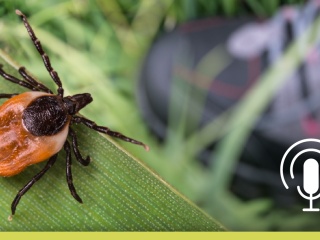
Tick‑related infections are illnesses caused by bacteria, viruses or parasites that are spread through the bite of an infected tick. These conditions occur throughout the United States and are especially common in wooded, brushy or grassy areas. Common tick‑borne diseases include Lyme disease, anaplasmosis, ehrlichiosis, babesiosis and Rocky Mountain spotted fever. Early detection and treatment are key to prevent complications.
Why Choose UVM Health?
As the leading infectious disease program in Vermont and northern New York, we offer:
- Convenient access: We make it easy to get care through shorter-than-average wait times and digital health appointments. When needed, we quickly coordinate consultations with other specialists for more complex cases.
- Full range of treatments: Our team provides comprehensive infectious disease services, from immunization counseling and vaccinations to diagnosis and treatment of tick-borne illnesses.
- Expertise rooted in research: We offer the only infectious disease fellowship in Vermont, in partnership with University of Vermont’s Larner College of Medicine. Our Vaccine Testing Center is a nationally recognized site for studying and testing new vaccines.
Symptoms of Tick-Related Infection
Many tick‑borne illnesses share similar early symptoms, which typically begin a few days to several weeks after a tick bite. You may not remember being bitten.
Common symptoms include:
- Fever or chills
- Headache
- Fatigue
- Muscle or joint aches
- Nausea or loss of appetite
- Rash (including the circular, expanding rash often seen in Lyme disease)
- Swollen lymph nodes
If you develop these symptoms after spending time outdoors, medical evaluation is recommended.
Diagnosing Tick-Related Infection
Your clinician will ask about:
- Your symptoms
- Medical history
- Recent outdoor activities
- Known or possible tick exposure
Your clinician will perform a physical exam and may order blood tests to look for signs of infection. Because lab results can take time — and early treatment is important — your clinician may begin treatment based on symptoms and exposure before test results return.
Tick-Related Infection Treatment
Treatment depends on the specific infection but often includes antibiotics. Many bacterial tick‑borne diseases respond well to medications such as doxycycline when started early. Other infections, such as babesiosis, may require a combination of medications.
Supportive care at home may also include:
- Rest
- Hydration
- Fever reducers
- Medications to easy body aches
Most people recover fully with early treatment. It is important to seek medical attention if symptoms develop — especially after outdoor activity in areas like ours where ticks are common.
Locations Near You
Share your location to see nearby providers and availability
15 Fourth Street
Malone, NY 12953-1340
18 Community Center
Wilmington, NY 12997
87 Paine Mountain Drive
Northfield, VT 05663-5791
111 Colchester Avenue
Main Campus, East Pavilion, Level 5
Burlington, VT 05401-1473
156 Main Street
Montpelier, VT 05602
577 County Route 1
Fort Covington, NY 12937-2805
246 Granger Road
Suite 1
Berlin, VT 05602-5352
1 South Prospect Street
Level 3
Burlington, VT 05401-5505
353 Blair Park Road
Williston, VT 05495-7530
44 Collins Drive
Middlebury, VT 05753-8502