What Does an Oncology Social Worker Do?
What you can expect when working with an oncology social worker — and how this support can make a real difference.
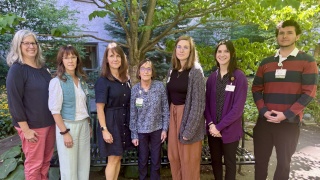
Cancer care is a team effort, and oncology social workers play a vital role in helping patients manage the emotional and practical challenges of treatment. For 25 years, Stephanie Fraser, M.S.W., has supported patients with compassion and expertise. University of Vermont Medical Center’s first ever oncology social worker, Fraser is retiring this fall, so we spoke with her about what patients can expect when working with an oncology social worker — and how this support can make a real difference.
When does an oncology social worker get involved?
As with many things in cancer care, every situation is unique. “There are many points at which we can get involved,” says Fraser. “It really depends on the patient’s circumstances and needs.”
As part of their intake paperwork, every new patient fills out a Distress Screening Tool that assesses their current level of distress. They might do this on their own, or with the help of a medical assistant or an oncology social worker. Someone from the team reviews that assessment and, depending on their score, may ask the patient if they’d like further support from the oncology social work team.
Sometimes, a provider will preemptively inform the social work team about a patient who needs immediate help with an issue, such as lack of reliable transportation, stable housing or health insurance. Social workers can then begin working on these problems before that patient begins treatment.
Can an oncology social worker help with finances?
Yes — in fact, the bulk of Fraser’s work centers around financial stability during treatment. “Most of our patients are of working age, and cancer uproots them from their jobs and family responsibilities,” says Fraser. “We do a lot to educate them about the financial grants available to them so that they can take the time off from work that they need.”
Many of these grants come from philanthropic sources such as the Cancer Patient Support Foundation. They’re typically modest, and can help for cancer patients’ household bills, car payments, and rent, or offset transportation costs through gas cards and ferry passes. Some grants may even cover costs associated with medical treatment for uninsured or under-insured patients.
"If we see a financial need, we look for a grant opportunity,” says Fraser. “We want to take care of financial issues so that patients can focus on treatment and management of side effects.”
What else can an oncology social worker help with?
Finances are just one of many issues that oncology social workers tackle. "We always tell patients: the doctors and providers treat the cancer, and we're here to treat the whole body,” says Fraser, who herself is a cancer survivor of 20 years. “That includes your emotional status, home life, family and relationships — everyone and everything that’s affected by your cancer.”
Below are several services an oncology social worker might offer:
- Connecting patients with community resources and support groups that can help them navigate the practical aspects of their illness
- Advocating for patients within the health care system to ensure they get the care they need
- Sourcing language services for patients and families whose primary language is not English
- Counseling patients and families impacted by the emotional toll of cancer
- Educating patients about their specific kind of cancer as well as options available to them
- Connecting patients with health care services within UVM Cancer Center, such as:
- an oncology dietitian
- a wellness coach
- counselors (including a Child Life Specialist who works with children of adults with cancer)
- programs like Steps to Wellness Program, which helps patients maintain and regain their strength and endurance during and after treatment.
If a situation becomes dire, Fraser’s team will intervene. Say a patient has fallen behind on their utility payments and their electricity is about to be cut off. A social worker will provide a medical letter of need that prevents or at least delays loss of service.
And while oncology social workers are often busy putting out fires, they're never too busy to help the next person. “Patients in the waiting room might see us running around and assume we’ve got too much going on to assist them, but that’s not the case,” says Fraser. “The busier we are, the better. We enjoy what we do, and we will always find time to be there for patients, no matter how busy we are!”