Can Food Support Treatment?
UVM Cancer Center study evaluates one-on-one nutrition care for patients.
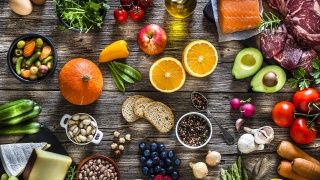
A University of Vermont Cancer Center study is looking at the impact of nutrition on cancer patients undergoing therapy, and it’s currently enrolling new patients who are less than 30 days into their treatment.
Nutrition Study FAQs
Principal investigator and registered dietitian Jessica Fischer, RD, answers frequently asked questions about the study.
What is this study about?
This study looks at whether nutrition support during cancer treatment can help people feel better and stay on schedule with their care.
During treatment, some patients must pause or delay therapy because their immune system becomes too weak. For instance, if white blood cell counts drop, treatment may need to stop for a while until the body recovers. This study explores whether personalized nutrition support may help reduce these delays and support overall quality of life.
How does it work?
Participants are randomly placed into one of two groups: those from one group meet with me on an individual basis one time; those from the other group meet with me individually up to four times. By comparing these groups, we hope to learn how different levels of nutrition support affect health and treatment experience.
At the end of the study, patients complete a quality-of-life survey and a detailed food questionnaire that looks at daily eating habits, such as fruit, vegetable and protein intake. They’re also invited to take part in interviews where they can share their honest thoughts. I’ll ask them questions like: Was this study helpful? What worked well and what could be improved?
Who can join the study?
Because every situation is different, eligibility is reviewed individually. Anyone interested can contact me at jessica.fischer@med.uvm.edu to learn more and see whether the study may be a good fit.
- Patients receiving care at UVM Medical Center are eligible.
- Patients at Southwestern Vermont Medical Center and the Richard E. Winter Cancer Center may also qualify.
- Additional sites — including Alice Hyde Medical Center and Canton‑Potsdam — are expected to join once approvals are complete.
What are my responsibilities as a study participant?
The study is designed to be supportive and flexible, not demanding! The patient’s main responsibility is to meet with me once or several times, depending on which group you’re in. These visits are conversations, not lectures, and there is no pressure to make big changes. In fact, learning what kind of changes and practices feel realistic for patients is an important part of the study.
During nutrition visits, I take time to understand your life — your food preferences, your budget, your daily routine, cultural traditions and any medical needs you might be juggling. Together, we look for nutrition-related ideas that feel manageable and genuinely helpful, not overwhelming.
We may also talk about how food can help manage symptoms, along with topics like physical activity, sleep and other habits that support well-being during treatment.
About six months later — or when treatment ends — participants complete follow‑up surveys to share how things are going.
How might patients benefit?
While the study helps researchers learn more about nutrition and cancer care, participants also receive practical support along the way.
They’ll receive a curated Nourish Box, which includes herbs, spices, electrolytes, tea, a cookbook and a basic nutrition guide to support lifestyle changes during treatment. They’ll also receive a cookbook with simple, nourishing recipes and a wellness guide.
One of the biggest benefits is access to a registered dietitian. All our appointments are held by Zoom, making it easier for people who live far from UVM Cancer Center. Patients often appreciate having a full hour to talk: It’s a great opportunity to ask questions, think through challenges and talk about the bigger picture.
I’ve found that for many people, these visits provide a space to feel heard and supported. My focus is not just on nutrients or data, but on helping patients identify what they can focus on and control during a challenging time.
Want to learn more?
If you or someone you love is interested in this nutrition study, reach out to ask questions or learn more about eligibility, email jessica.fischer@med.uvm.edu.