CAR T-Cell Therapy for Cancer
CAR T-Cell Therapy at UVM Cancer Center
Chimeric antigen receptor (CAR) T-cell therapy is an innovative treatment for some types of blood cancers. It works by engineering your own infection-fighting white blood cells (T-cells) to identify and destroy cancer cells.
University of Vermont Cancer Treatment Center is home to the only cancer program in Vermont and northern New York offering CAR T-cell therapy. Our experienced team takes a patient-centered approach that delivers state-of-the-art treatment in a caring and supportive environment.
Why Choose UVM Health?
As a leading cancer program in the region, we offer:
- National accreditation: Our program has received accreditation and is an authorized treatment center for stem cell transplant and CAR T-Cell therapy. This achievement reflects the expertise of our physicians and a commitment to meeting national standards for quality and safety.
- Clinical trials: CAR T-Cell therapy is an active area of research. Scientists are working to develop new CAR T-Cell therapies, make existing ones more effective and expand the use of this technology to different cancer types. As part of a health system anchored by an academic medical center, our specialists lead clinical trials that give eligible patients access to new treatments before they become widely available.
- Education and support: Our dedicated nurse coordinator provides information and guidance throughout your treatment. Your cancer care team also includes social workers who provide emotional support and help you navigate common issues, like changes in insurance. Our other supportive care services include health coaching, support groups and rehabilitation.
CAR T-Cell Therapy Services
CAR T-Cell therapy is currently approved by the Food and Drug Administration (FDA) to treat some types of leukemia, lymphoma and multiple myeloma. But research is uncovering new uses for this treatment and clinical trials are expanding rapidly.
At UVM Cancer Center, our specialists are familiar with the latest advances in cellular therapy. They provide careful evaluation to determine whether CAR T-Cell therapy is appropriate for you. Factors your doctor will consider include:
- Cancer type
- Previous treatments you received
- Your age
- Your overall health
We have dedicated rooms for patients receiving stem cell transplants in the Miller Building at UVM Medical Center. These private rooms have enhanced air filtration to protect you from infections while you are rebuilding your immune system.
UVM Cancer Center partners with the American Cancer Society to offer free accommodations for patients and families who are coming to us for treatment. Hope Lodge is for patients and families who live more than 40 miles outside of the Burlington area. Located next door to UVM Medical Center, this home-away-from-home provides a supportive, healing environment. You’ll find amenities such as private guest rooms and bathrooms, a fully equipped kitchen and free laundry facilities.
Clinical Trials
The UVM Cancer Center supports more than 100 active clinical trials focused on prevention, screening, treatment, supportive care and survivorship.

What to Expect
If your doctor determines you are eligible, the process for CAR T-cell therapy is as follows:
Your doctor collects some of your T-cells using a process called leukapheresis. During this procedure your provider places an intravenous line in each arm. They remove blood through one line and separate out the T-cells. You receive your blood back through the other line.
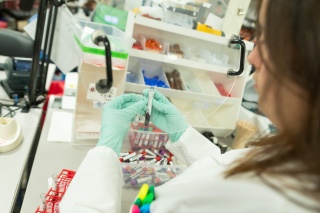
Your doctor sends the T-cells to a laboratory, where they are genetically modified to produce surface receptors called chimeric antigen receptors (CARs). CARs recognize and bind to cancer cells so your T-cells can attack them. The lab then creates millions of copies of the CAR T-cells.
CAR T-cell production usually takes a few weeks. While you wait, you may receive bridging therapy to prevent cancer from advancing. Types of bridging therapies include chemotherapy, radiation therapy, targeted therapy and steroids.
Once CAR T-cell production is complete, you undergo several days of chemotherapy so your body doesn’t reject the new cells. The CAR T-cells are then delivered into your blood through an intravenous infusion.
Over the next month, your care team will monitor you closely for side effects. You may spend part of this time in the hospital. If you are not in the hospital, you will need to stay close to UVM Medical Center, where this treatment is offered, to attend frequent appointments.
UVM Cancer Center partners with the American Cancer Society to offer free accommodations at the Hope Lodge for patients and families who live more than 40 miles outside of Burlington. This home away from home is located next to UVM Medical Center and features amenities such as private guest rooms and bathrooms, a fully equipped kitchen and free laundry facilities.
Two to three months after you receive the CAR T-cells, your doctor will perform imaging or blood tests to find out if therapy was effective. CAR T-cells can remain in your blood and protect you from cancer for several years. Your doctor will develop a long-term plan to monitor your progress.
It’s unlike any other therapy that’s ever been given before. This therapy is a living, breathing treatment that goes back into the patient and lives with them for years.
Awards & Certifications
Foundation for the Accreditation of Cellular Therapy
UVM Cancer Center is accredited for CAR T-cell therapy through the Foundation for the Accreditation of Cellular Therapy (FACT). FACT sets safety and quality standards for CAR T-cell therapy and ensures program personnel meet high educational and experience requirements.
Locations near you
Share your location to see nearby providers and availability
111 Colchester Avenue
Main Campus, Main Pavillion, Level 2
Burlington, VT 05401