Fall Prevention Resources
UVM Health Fall Prevention Resources
Falls are one of the leading causes of injuries in older adults and young children. While tripping or slipping may seem like a minor incident, the injuries sustained from a fall — including traumatic brain injuries, organ damage and broken bones — can be serious or even fatal.
Fortunately, there are many ways to prevent falls. If you are concerned that you or a loved one may be at risk of a fall, University of Vermont Health offers a range of strategies and solutions for fall prevention.
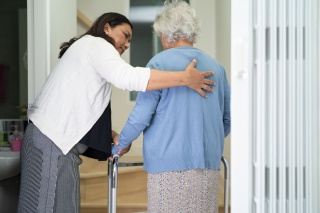
Fall Prevention for Older Adults
In the United States, 3 million people over the age of 65 are treated in emergency departments for fall injuries each year.
To protect yourself from falls, you should:
- Ask your provider about your medications: Some medications (or combinations of medications) can increase your risk of falling. Talk to your provider or pharmacist about whether your medications may be putting you at risk of falling.
- Get your vision checked: Make sure your eye prescription is up-to-date and that you treat conditions that may be affecting your eyesight, like glaucoma and cataracts.
- Address home hazards: Use our Home Safety Checklist to reduce potential fall risks and make your home safer. Even small changes can make a big difference.
- Exercise regularly: Staying fit and building strength and balance is key to protecting yourself from falls.
Fall Prevention for Children
Unintentional falls are the number one cause of nonfatal injury among children. Approximately 2.8 million children are treated in emergency departments for fall-related injuries every year in the U.S.
Basic safety strategies can help reduce your child's risk of the most common types of falls, including:
- Windows: Childproof all windows above ground level. Install window guards or stoppers to limit how much the windows can be opened. Ensure the opening is too small for a child to get through – window screens are not designed to prevent falls.
- Porches and balconies: Always supervise children on porches and balconies. Check that all railings are secure, and make sure a child cannot pass through or under them. Move any furniture that a child could use to climb over a railing.
- Infant carriers and car seats: Always place infant carriers on the floor — carriers placed on tables, couches, counters or beds are at risk of falling or tipping over and could cause injury. Additionally, if a carrier is placed on a soft surface, the recline angle can change drastically and obstruct a baby’s ability to breathe.
- Changing tables and highchairs: Use the preinstalled safety straps on both changing tables and highchairs. Never leave a child unattended on either one.
- Safety gates: Install approved safety gates at the top and bottom of all stairs. If possible, attach them to the wall. Remember to read the manufacturer’s instructions and warning labels to make sure you have the right gate for your needs — not all gates are safe for use at the top of stairs.
- Baby walkers: Do not use baby walkers, especially if you have stairs in your house. Baby walkers are associated with an increased risk of falls, burns, drownings and poisonings, and are even illegal in Canada.
Children should ride in the seat of the shopping cart and be buckled securely with the safety straps. Riding on the exterior of the cart can cause it to tip over or make it difficult to push safely. Only allow a responsible adult to push the cart.
To further reduce the risk of falls, consider an alternative to a shopping cart, such as carrying your child in a baby carrier or sling, having your child walk with you or taking advantage of curbside pickup.
Home Interventions for Safety Solutions
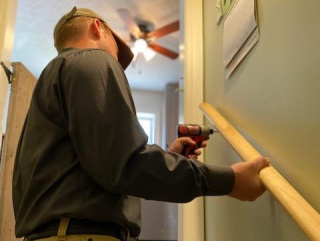
Home Interventions for Safe Solutions is a pilot program designed to help you reduce your fall risk and improve your quality of life. Community paramedics complete a safety assessment of your health and home and help you create a plan to make any basic home modifications during your appointment, such as installing grab bars or hand railings.
Fall Risk Assessments with Rehabilitation Services
UVM Health offers outpatient fall risk assessments and treatment for patients who have fallen or who are at risk of falling.
Fall Prevention Resources
- Home Safety Falls Prevention Checklist: Use this checklist to find and fix potential fall hazards around your home.
- Falls Prevention Booklet (PDF): Helpful resource with a falls prevention check list, CDC information and contacts for local community organizations.
- Ladder Safety (PDF): Follow our tips to ensure you are following best practices to keep yourself safe!