Home Health Care
Comprehensive Care for Recovery and Independence
When possible, most people prefer to recover from surgery, hospitalization or a worsening chronic condition at home. University of Vermont Health - Home Health & Hospice supports this choice, offering comprehensive home health care so you can get well in the comfort of your own home.
Under your health care provider’s direction, we help you set goals to help you recover as fully as possible. We also provide education to help you manage your health independently. Using a collaborative approach, our trusted team supports you and your caregivers to relieve stress and improve your quality of life.
Why Choose Home Health & Hospice?
As a leading home health program in the area, we offer:
- Skilled professionals: Our experienced and compassionate team cares deeply about the work we do. We are dedicated to improving the health and well-being of the people we serve.
- Reliability: We understand the importance of dependability. You can count on us to be there when we say we’ll be there.
- 24/7 on-call assistance: We have nurses available around the clock to answer questions and help you access the care you need.
- Comprehensive support: Our skilled team members are experts at connecting you with community resources to help set you up for long-term success.
Home Health Services
Our home health program offers a range of services. At the start of your care, we assess your needs and work closely with your provider to develop a customized plan of care that may include:
Nurses are often at the center of your in-home care. These skilled professionals provide assessments, care management, medical treatments and education on how to manage your health condition. They also provide wound care and educate clients on how to manage medical devices, such as ostomy appliances and infusion pumps.
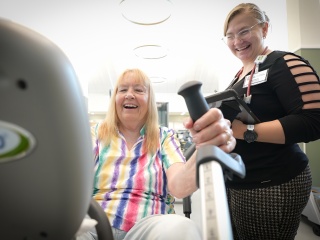
Physical therapists work with you to develop home exercise programs to help you improve mobility and strength and reduce pain. Our physical therapists offer specialized therapies, such as post-surgical rehabilitation. They also perform home assessments to help make your home safer.
Speech therapists address difficulties with communication and swallowing that may occur after a stroke or brain injury or as a result of another neurological condition.
Occupational therapists focus on improving your ability to perform activities of daily living. They perform home safety evaluations and provide recommendations for how to improve the safety of your home. They may help you increase coordination or learn to use assistive equipment, such as an elevated toilet seat or tub bench.
Social workers provide counseling and support you in addressing barriers that may impact your health or healing. They can connect you to resources and help you access food, medications, housing and transportation.
Licensed nursing assistants (LNAs) perform basic tasks as a part of your care plan, such as assistance with bathing, dressing and other daily activities.
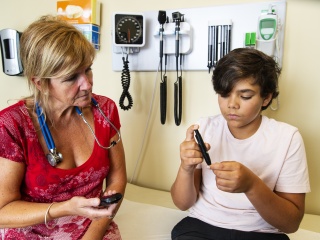
Remote patient monitoring allows providers to monitor your health data outside of a traditional health care setting, so you can manage your health from home. Your health data is collected through an easy-to-use device and transmitted wirelessly to your provider. They review your vital signs and symptoms daily and contact you to discuss changes as needed. This type of monitoring gives patients and their families peace of mind and may prevent further hospitalizations.
How to Access Home Health Care
Accessing home health care requires a referral from your provider. The referral must indicate a need for nursing care, physical therapy or speech therapy. Once we open a case for one of those services, we can add others as appropriate.
For more information about our program, call us at 802-658-1900.
Our helpful staff can advise you on eligibility criteria and insurance coverage. We can also direct you to other resources in our community that can help you or a loved one.
How Long Does Home Health Care Last?
Home health is an intermittent model of care, provided in episodes of 60 days. Our goal is to improve your condition in that time, so you no longer need care.
For most clients, services last less than 60 days. If after 60 days you still need our services, we re-evaluate your care plan with your provider and start a new period of service. Clients who have completed 60 days of home care but are at high risk for rehospitalization may be eligible for our Longitudinal Care Program.