Do You Really Need More Protein?
Protein is essential, especially for people taking GLP-1s. A dietitian explains what to look for beyond the marketing claims.
Protein is essential, especially for people taking GLP-1s. A dietitian explains what to look for beyond the marketing claims.
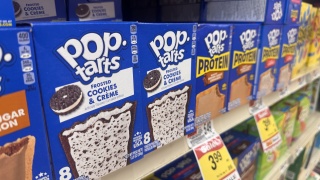
Walk through almost any grocery store today and you'll see protein everywhere: cereal, chips, cookies and even pastries marketed as high-protein foods.
The trend has been fueled by growing interest in fitness and the popularity of GLP-1 medications.
While protein is an essential nutrient, Anne McIlhenny, chief clinical dietitian at University of Vermont Health - Alice Hyde Medical Center, says consumers should be careful not to mistake a high-protein claim for an overall healthy food.
"People are getting the message that protein is important," says McIlhenny. "But you still have to look at the whole food."
Protein deficiency is not what she encounters most often in her practice. Most healthy adults who eat a balanced diet are already getting enough protein.
Most commonly, patients fall short on fiber. "Often fruit and vegetable intake is lacking,” she says.
Protein helps build and maintain muscle, supports immune function, aids healing and helps people feel full after meals. But focusing on protein alone can be misleading.
A protein-fortified snack may contain more protein than its traditional counterpart while still being high in added sugars, sodium or other highly processed ingredients. "It's important to review the entire nutrition label, including added sugars, fiber, sodium and ingredients," says McIlhenny.
Why protein is important for people taking GLP-1 medications
Most healthy adults need 55 to 75 grams of protein per day, while people taking GLP-1 medications or working to preserve muscle during weight loss may need closer to 80 to 110 grams daily, depending on their body size and individual health needs.
Because GLP-1 medications slow digestion and reduce appetite, many people struggle to eat enough overall, including enough protein. Maintaining adequate protein intake helps preserve muscle mass during weight loss, and important consideration as people age or lose weight rapidly.
Protein is only part of the equation, however.
Fiber supports digestive health, helps people feel satisfied and may help reduce constipation, a common side effect of GLP-1 medications. Prioritizing both protein and fiber can help support overall nutrition while managing the medication’s effects.
Best sources of protein: Focus on whole foods
Rather than relying on fortified snack foods, McIlhenny encourages patients to get most of their protein from minimally processed foods that provide additional nutritional benefits. Good options include:
- Greek yogurt or skyr
- Eggs
- Chicken, turkey and fish
- Beans, peas and lentils
- Nuts and seeds
These foods provide protein along with vitamins, minerals and, in many cases, fiber.
Beans, peas and lentils are particularly valuable because they naturally deliver both protein and fiber, a combination that helps support muscle health, digestion and satiety.
Many protein-fortified snacks rely on isolated protein ingredients such as whey, casein or pea protein. While those ingredients can boost protein content, they don't necessarily improve the overall nutritional quality of a food." My push has always been real food," McIlhenny says.
How to choose healthy, high-protein foods
A "high-protein" label can be useful as a starting point, but it shouldn't be the only factor driving your decision. Whether you're trying to lose weight, maintain muscle, or simply eat healthier, look beyond the protein claim and consider the complete nutritional picture, including fiber, added sugars, sodium and ingredient quality.
“The best protein choices are often the least heavily marketed ones,” McIlhenny says.