Hate Leafy Greens? This Recipe May Change Your Mind
Plus 10 reasons to sneak more greens into your diet
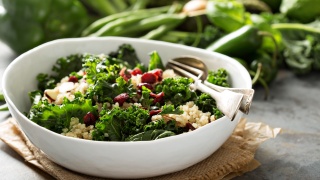
You hear it all the time from health experts: Eat more green, leafy vegetables like kale, chard, spinach, collard greens and turnip greens. But what if just don’t like the taste or texture?
We’ve got you covered with a super simple recipe for a tasty dish that sneaks in the leafy greens amidst warm beans, sweet caramelized onions and tart cranberries. Plus, there are other, easy ways to sneak in greens, according to the experts from University of Vermont Medical Center's Culinary Medicine program.
How to Sneak Leafy Greens
- Sauté them and mix into your scrambled eggs, pasta dishes and casseroles
- Add them to soups and stews
- Toss them into smoothies
- Chop and use as a pizza topping
- Drizzle with oil, sprinkle lightly with your favorite seasoning and bake them into chips
10 Reasons to Get More Greens
While we all know leafy greens are healthy, it’s sometimes easy to forget just how healthy. Really, they are as close to nutritional heroes as you can get. “Leafy greens are flavorful, full of vitamins and minerals, high in fiber and low in carbohydrates,” shares Anne McIlhenny, chief clinical dietitian for UVM Health - Alice Hyde Medical Center. “They’re especially helpful for those managing diabetes or eating for weight loss.”
Swiss chard, for example, is:
- Rich in vitamins like A, C, E and K, which helps keep your skin healthy and your immune system strong.
- High in calcium, potassium, magnesium and iron, which helps reduce the risk of osteoporosis and anemia.
- Low in calories, at only 35 calories per cooked cup, which can help maintain a healthy weight.
- High in nitrates, which can help reduce blood pressure.
- Linked to a lower risk of type 2 diabetes. Because cooked Swiss chard is high in fiber (3.7 grams per cup), low in carbohydrates (7 grams per cup) and contains 3.3 grams per cup of protein, it helps regulate blood sugar.
- Anti-inflammatory, so it can help reduce the risk of chronic disease.
- Brain boosting: Studies suggest that eating leafy greens can help prevent cognitive decline as we age.
- Linked with a reduced rate of some cancers, like mouth, lung, skin, stomach and pancreatic cancer.
- Good for your eyes. The many vitamins and antioxidants lower your risk of cataracts and macular degeneration.
- Full of fiber, which helps with digestion and prevents constipation
So, for the sake of your health, give our easy (and yummy!) Swiss chard recipe a try.
Swiss Chard with Cannellini Beans and Caramelized Onions
Ingredients
- 1 pound Swiss chard
- 2 tablespoons olive oil
- 3/4 cup raw onion, diced
- 1/3 cup cranberries or raisins
- 1/4 teaspoon salt
- Pepper to taste
- 15.5 ounce can cannellini beans, drained and rinsed (Other beans work great, too!)
Instructions
Watch the how-to video for this recipe!
- Wash the leaves of the Swiss chard thoroughly. Strip the leaves from the stems. Discard the stems or save for another use. (You can chop and add to salads or soups, for instance.)
- Roll the leaves tightly into small bundles then slice them into thin strips.
- Heat a large sauté pan over medium heat. Add the oil and heat until shimmering.
- Turn the heat down to low and add the diced onions and a pinch of salt.
- Cook the onions, stirring frequently, until golden and caramelized.
- Stir in the cranberries or raisins.
- Add the Swiss chard to the pan and heat for about one minute, stirring often, just until the chard wilts.
- Add the cannellini beans and stir until heated through. Salt and pepper to taste.