'We’re Just Trying to Help People Pump the Brakes'
A partnership rooted in empathy and evidence hopes to make Vermont a leader in suicide care.

Many people who consider suicide never mention it to anybody — silenced by stigma or fear of judgment. That’s why a strong turnout at a recent Burlington event was so meaningful. More than 100 community members gathered to break the silence in a state where suicide rates remain well above the national average. In Vermont, suicide is the second leading cause of death among people aged 15-44.
That’s something clinical psychologist Craig Bryan, PysD, ABPP, hopes to change.
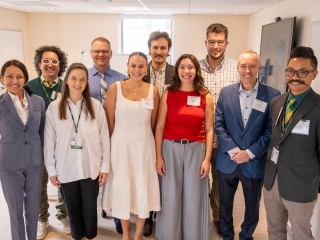
Just days after arriving in Vermont to lead University of Vermont Health - UVM Medical Center’s new Suicide Care Center, Dr. Bryan shared a vision for more compassionate, effective care for people in crisis. He was joined by Lindsay Mesa of Pathways Vermont, a longtime advocate for trauma-informed mental health support.
“The hard truth is, as a society and as clinicians, we haven’t been very good at caring for people in suicidal despair,” Dr. Bryan told the audience. “We need to think about this care differently. Thankfully, we have all the right partners, right here in Vermont, to make a real difference.”
A Growing Partnership
The Suicide Care Center, expected to open in the spring of 2026, is the product of a growing partnership between UVM Medical Center and Four Pines Fund, a Vermont based national grantmaking foundation dedicated to expanding access to evidence-based suicide care to all who need it. The fund was established by physicians Bill Gottesman and Debra Lopez Gottesman after losing their son, Alan, to suicide in 2015.
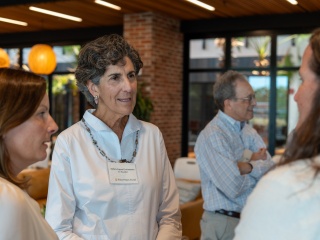
“We have a singular focus: to close the gap between what research shows is effective and the care that people actually receive,” says Debra. “Too few providers are trained in these research-proven, life-saving approaches.”
The Suicide Care Center is part of a broader collaboration between Four Pines Fund, UVM Health and UVM Larner College of Medicine. The Four Pines Fellowship for Excellence in Suicide Prevention and Treatment supports medical students and doctoral nursing students at the UVM Larner College of Medicine, while the Zero Suicide Project, in UVM Medical Center’s Vermont Center for Children, Youth and Families, strengthens care for children and adolescents statewide.
A National Leader in Suicide Care
Dr. Bryan comes to Vermont from The Ohio State University, where his team built a nationally recognized center of expertise in suicide research and care. A veteran of the Iraq war, his approach is rooted in his time as director of a traumatic brain injury clinic in Balad, Iraq, working with service members struggling with trauma, PTSD and suicidal thoughts.
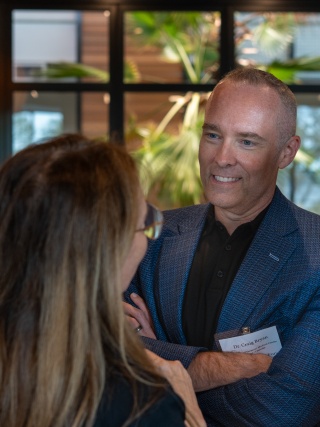
After returning to the United States, Dr. Bryan led groundbreaking studies on suicide prevention for the Department of Defense, the National Institutes of Health and Boeing. Joining him at UVM Health are three colleagues from Ohio: Jeff Tabares, PhD, Ennio Ammendola, PhD, and Annabelle Bryan, MS. Together, they will oversee the center and provide direct care, emphasizing empathy, science and connection.
“Often, we’re so focused on preventing death that we overlook the causes of suicidal despair,” says Dr. Bryan. “It’s our job to listen and create the breathing space people need when they’re in acute distress.”
He likens the challenge to a driver speeding toward a crash. “We’re just trying to help people learn how to pump the breaks—to slow down enough to find a safe offramp and the support they need.”
Local Care, National Impact
The Suicide Care Center will add a vital piece to Vermont’s mental health care landscape. In late 2024, Chittenden County welcomed the Mental Health Urgent Care (MHUC), a partnership between the Howard Center, Community Health Centers, Pathways Vermont and UVM Medical Center. MHUC offers a therapeutic alternative to the emergency department for those in crisis.
While the Suicide Care Center is still taking shape, Dr. Bryan and his team envision close collaboration with MHUC and other organizations.
“With these resources, Vermont has a real opportunity to become a national leader in mental health and suicide care,” says Maureen Leahy, M.Ed., medical group director of psychiatry at UVM Health. “Few places have comprehensive, trauma-informed resources like these. They can make a real difference in a lot of peoples’ lives.”
How Can You Help Someone Who is Suicidal?
If the person has a plan to harm themself or someone else, call 911.
Where to Get Help 24/7
If you or someone you know talks about suicide, self-harm, a mental health crisis, a substance use crisis or any other kind of emotional distress, get help right away. You can:
- Call the Suicide and Crisis Lifeline at 988.
- Text HOME to 741741 for the Crisis Text Line. (Consider saving these numbers in your phone.)
- Go to 988lifeline.org for more information or to chat online.