Life Warrants More Than Mere Survival
Inside Asha Clinic, a new approach to caring for people experiencing suicidal thoughts is taking shape.
Less than a year ago, clinical psychologist Craig Bryan, PsyD, ABPP, stood before a Burlington audience and described suicide care with a simple metaphor: When someone is overwhelmed by suicidal despair, the first job is often to help them “pump the brakes” – to create space between the pain they're feeling and an irreversible decision.
At the time, the clinic Dr. Bryan had come to Vermont to build was still taking shape. Today, Asha Clinic is open.
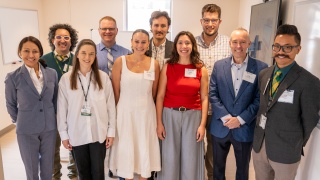
Located at 1 South Prospect Street in Burlington, Asha is the only program in the region focused exclusively on people experiencing suicidal thoughts. Its seven-person clinical team has already treated nearly 100 patients, many referred from the Howard Center Mental Health Urgent Care located on the same floor, University of Vermont Health – UVM Medical Center's inpatient psychiatry unit and the emergency department.
“We are, in essence, deliberately not doing the status quo,” Dr. Bryan says. “There's a lot to be said about moving away from the crowd, as long as you're moving in the right direction.”
You can count on one hand the places worldwide where serious suicide research and real clinical care live under the same roof, with the same team working with the same patients.
A new model for suicide care
For decades, health care has often treated suicidal thoughts as a symptom of depression, anxiety or trauma. Asha starts from a different premise.
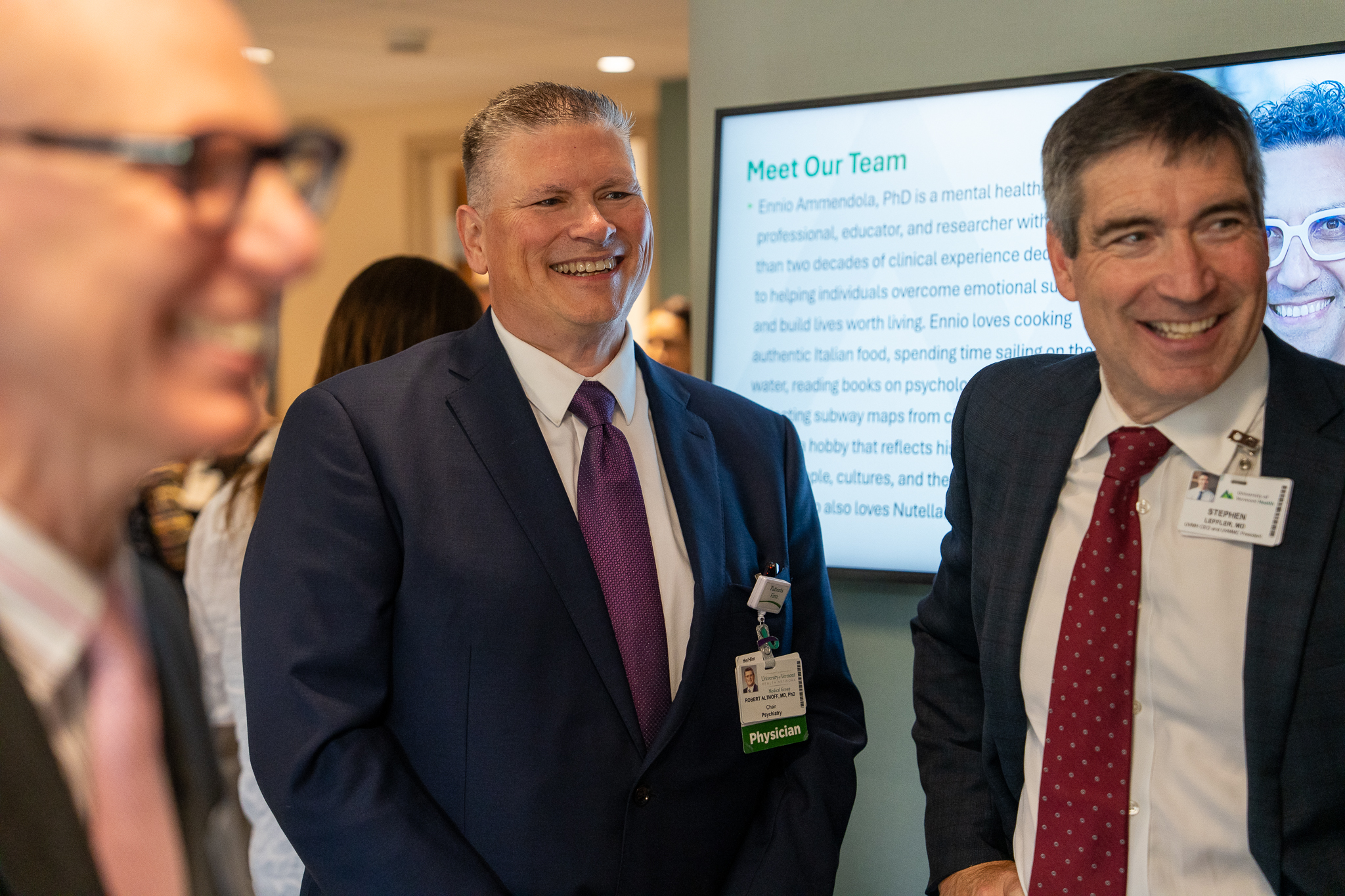
“Often, someone experiencing suicidal thoughts will encounter a system that, despite the dedication of many, has lacked treatments specifically designed to reduce suicidal thinking,” says Robert Althoff, MD, PhD, chair of the Department of Psychiatry at UVM Health. “Asha Clinic changes that.”
Clinicians begin with an assessment aimed at understanding not just whether someone is suicidal, but what that experience is like for them, then reassess throughout treatment.
“Different people experience suicidal thoughts in different ways, or arrive at suicide following different pathways,” Dr. Bryan says. “We don't want to assume we know how you got here.”
How Asha Clinic Measures Recovery and Builds Hope
Improvement looks different from one person to the next: fewer suicidal thoughts, fewer trips to the emergency department, stronger relationships. For some, erasing suicidal thoughts entirely is not the best measure of recovery. The goal is to learn to respond to those thoughts while building a life worth living.
“One of my patients framed it nicely,” Dr. Bryan says. “It's like you're just surviving. And life warrants more than mere survival. We want to live good lives.”
That idea is reflected in the clinic's name. Asha roughly translates to “hope,” chosen with input from clinicians, Four Pines Fund and people with lived experience, including former patients and family members. For Bryan, hope doesn't mean pretending difficult thoughts disappear. It means helping people build the skills to navigate them.
Four Pines Fund helps expand suicide care in Vermont
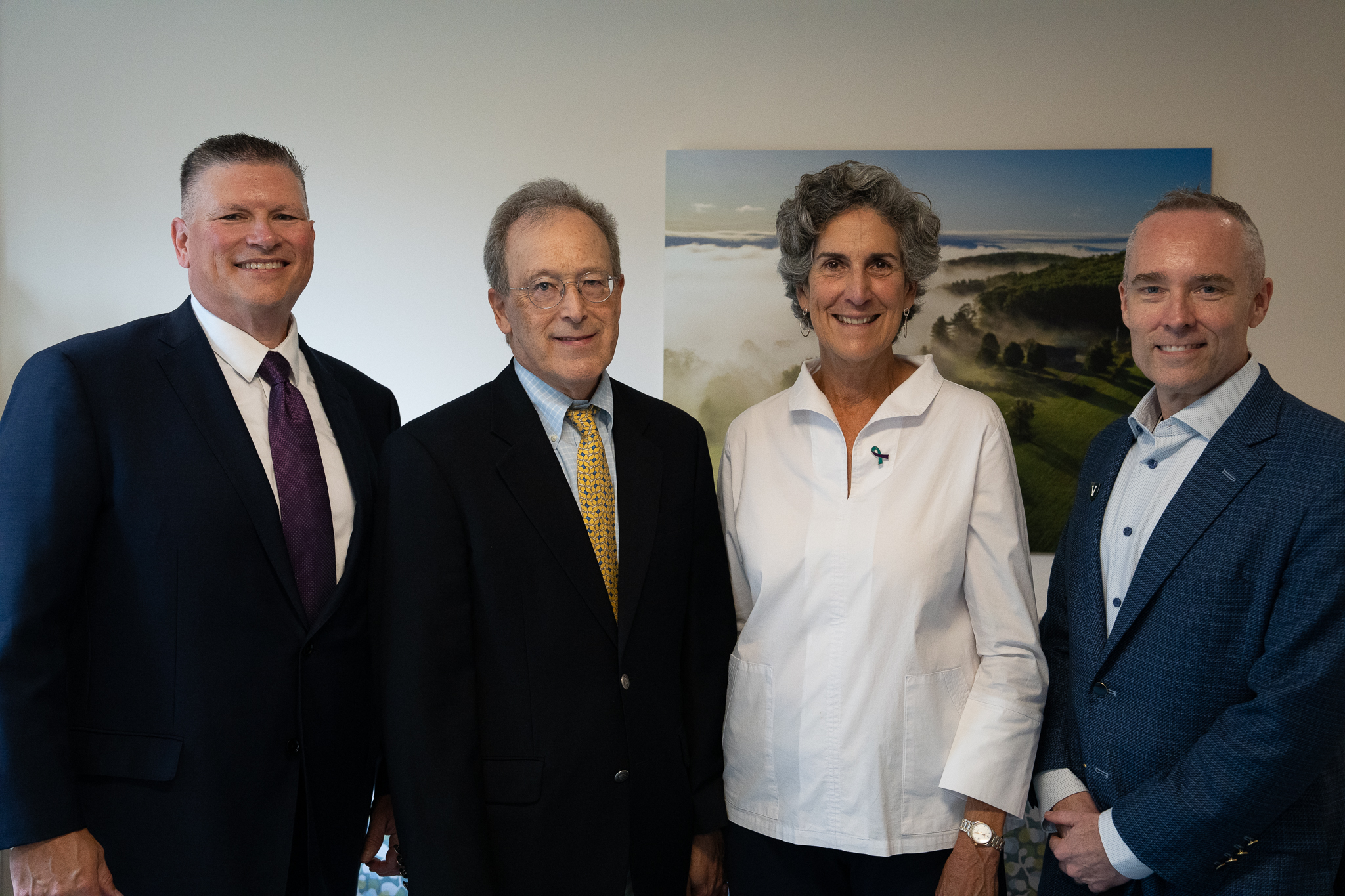
Asha Clinic is supported by Four Pines Fund, which was founded by physicians Debra Lopez Gottesman, MD, and Bill Gottesman, MD, after losing their son, Alan, to suicide in 2015. Their support, coupled with the aspiration of UVM Health and UVM Larner College of Medicine to become a center of excellence for suicide care and research, made it possible for Dr. Bryan to establish the clinic in Vermont. He was joined by six of his clinical and research colleagues from The Ohio State University, including his wife, Annabelle Bryan.
“Vermont has long faced rates of suicide that exceed national averages, driven in part by rural isolation and limited access to specialized care,” says Lopez Gottesman. “Vermont has an opportunity to show the rest of the nation what high-quality, integrated suicide care looks like.”
Researching better ways to prevent suicide
As part of a rural academic health system, Asha's mission extends well beyond its walls. Research is woven into its work, and patients can voluntarily participate in studies.
“My hope is that 10, 20 years from now, the way we deliver services will look very different,” he says, “because we'll have learned things that are better for the community.”
Jeff Tabares, PhD, joined Dr. Bryan from The Ohio State University to establish Asha Clinic, and he sees that combination of research and clinical care as rare.
“You can count on one hand the places worldwide where serious suicide research and real clinical care live under the same roof, with the same team working with the same patients,” Tabares says. “Most of the world is still choosing one or the other. We don't have to.”
Where to get help
If you or someone you know is experiencing suicidal thoughts, a mental health crisis or emotional distress, call or text the 988 Suicide & Crisis Lifeline. If someone is in immediate danger, call 911.