Reducing Pain and Anxiety During Gynecological Care
Standardized comfort measures improve the patient experience
Experiencing pain, anxiety or general discomfort during a gynecological procedure or exam is not uncommon. Providers at the University of Vermont Health - Central Vermont Medical Center office of Obstetrics, Midwifery and Gynecology want patients to know they are here to help.
“Not everyone perceives pain the same way. Everyone’s anatomy is different, and people should feel in control of what is the right pain management process for them,” says Colleen Horan, MD, an obstetrician and gynecologist at Central Vermont Medical Center.
Her team has long offered support measures and pain management available for patients who expressed concerns or requested assistance. They recently decided to standardize their process, ensuring every patient was equally informed about the options available.
“We’re always trying to keep people as comfortable as possible,” Dr. Horan says. “We never want patients to be uncomfortable, in pain or scared and avoiding care that they need out of fear.”
Standardizing comfort measures for every patient
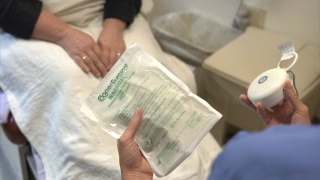
The team worked together to ensure every provider was prepared to offer the same support measures, such as:
- Heat packs for physical relaxation
- Aromatherapy to promote calmness
- Music or soothing soundscapes to reduce anxiety
- Guided breathing and relaxation techniques
- Trauma informed care practices
- Weighted blankets for grounding and comfort
- Topical lidocaine to minimize procedural pain
- Cervical blocks to improve pain control
- Premedication options for patients experiencing significant anxiety
The team also created opportunities for patients to voice their feedback. Patients are asked about their experience in person and through follow-up surveys to determine whether these techniques were helpful.
Patient feedback shows positive results
"After we received many of the surveys back, we found that 85% of the respondents felt that these offerings reduced pain and/or anxiety, which was pretty significant," says Eliza Mabey, a medical assistant.
For many patients, simply being offered comfort measures helped them feel supported through their visit.
Improving the standard of women’s health care
“My ultimate hope is that this approach becomes the standard across all women's healthcare settings,” says Aliza Benoit, RN – clinical nurse coordinator for the practice. “Every patient deserves care that acknowledges and addresses pain, discomfort and emotional well-being.”
The team remains focused on creating a better standard of care, prioritizing patient comfort and responding compassionately to each person’s experience.