Designing Care That Fits
Community feedback shapes a more inclusive approach in radiology.
For many patients, a hospital visit can already feel vulnerable. The experience becomes even harder when personal, cultural or religious needs aren’t reflected in the care environment.
“We were doing our best,” says April Hatterick, system radiology program manager at University of Vermont Health – UVM Medical Center. “But it felt like we were checking a box instead of truly meeting patients where they are.”
Listening First
The effort grew from conversations with staff and patients, and from a broader push to think more intentionally about inclusivity, particularly in moments where patients may already feel exposed.
“We realized some patients didn’t want their head or neck uncovered, and we didn’t have a standard solution,” says Amanda Lake, MRI supervisor at UVM Medical Center.
Staff had sometimes offered towels or blankets as a workaround, but efforts felt improvised and insufficient.
Designing With the Community
To build a solution that actually works for patients, the team partnered with the Multilingual Patient and Family Advisory Council and brought the design process directly into the community.
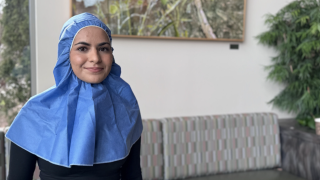
Three styles of disposable paper hijabs are available and advisors’ offered to have these mailed to their homes, where families members can try them on, take photos and provided detailed feedback on fit, comfort and cultural appropriateness.
“It important that this isn’t just us deciding what would work,” Hatterick says. “We needed to hear directly from the people who would use them."
This feedback will shape the final approach and highlight the need for options suited to different ages, preferences and levels of experience wearing a hijab.
Although the idea began with Muslim patients in mind, the team quickly saw broader impact.
“This isn’t just about one population,” Lake says. “It’s for anyone who doesn’t feel comfortable uncovering their head or neck.”
That includes patients undergoing chemotherapy, those experiencing hair loss or anyone seeking added privacy during care, reinforcing the idea that inclusive design often benefits more people than initially expected.
The team also reviewed other cultural and religious needs, including support for patients who wear yarmulkes, and updated processes to make accommodations easier and more consistent.
Building Trust Through Small Details
During a presentation on the work, one health care professional shared her experience as a resident, when no such accommodations existed. She felt a core part of her identity was overlooked.
Moments like that underscore the purpose behind the effort: small, thoughtful details can profoundly shape a person’s experience during care.
It’s really about dignity—making sure patients can show up as themselves and still receive the care they need.
A Model for Inclusive Care
The pilot is underway in radiology, with plans to expand across UVM Health as the team gathers more feedback and explores options such as more sustainable materials and additional garment designs.
The work is constantly evolving, grounded in the understanding that patient needs are diverse and frequently changing.
“We’re always asking what we’re missing and working to improve,” Lake says.