Small Talks, Big Impact
How pediatricians are helping families navigate difficult topics.
Talking to kids about substance use can feel intimidating for many parents and caregivers. While schools play an important role in prevention education, the Central Vermont Prevention Coalition found that parents also want guidance from their children’s pediatricians.
Why Pediatricians Are Joining the Conversation
A survey conducted by the coalition found that parents ranked school-based staff and pediatric health care professionals as their top sources for information about substance use prevention and how to talk with children about it. In response, the coalition has partnered with University of Vermont Health – Central Vermont Medical Center’s pediatricians and the Substance Abuse and Mental Health Services Administration’s "Talk. They Hear You.” campaign. The initiative will incorporate age-appropriate substance use prevention discussions into annual well-child visits.
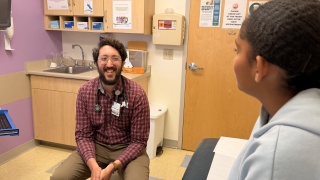
Pediatrician Aaron Wallace, MD, says these conversations can help ensure children receive accurate information from trusted adults before they encounter misinformation elsewhere.
”Being able to talk to clinicians, caregivers and other trusted adults about these topics is really going to help kids know what's true, and what's not, he says.” Many parents assume these conversations can wait until kids are older, but Dr. Wallace says it’s important to start early on and tailor the topic to a child’s age and developmental state.
It's important from a young age, letting kids know that their health is important and what you put in your body can affect your health.
How Parents Can Start Early
For younger kids, the focus may be on understanding that some substances can be harmful if used improperly. “We all have things in our home that can make kids sick, whether it's cleaning products, dishwasher pods, medicines, alcohol, or other substances,” says Dr. Wallace. “" It’s important from a young age to let kids know that what you put in your body can affect your health.”
The pediatric setting offers an opportunity not only to talk with children but also equip parents and caregivers with confidence to continue those conversations at home.
Program Manager Eva Zaret says parents often underestimate their influence, even as children grow older and become more independent. “They don't have to be an expert, and they don't have to have all the perfect words for the conversation.”
Instead, she encourages parents to focus on small, ongoing discussions rather than a single serious talk.
"It’s not one big, serious conversation. It should be lots of little conversations. Start small, ask questions, listen, and know that pediatrics is there to support them.”