Reading Food Labels When You Have Diabetes
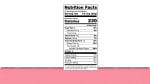
When a food comes in a package, it's helpful to look at the Nutrition Facts label and ingredient list on the package. You can see how much of different kinds of nutrients you're eating.
Start with the "% Daily Value" column on the food label. A food is considered low in a specific nutrient (such as fat, saturated fat, carbohydrate, or sodium) if it has 5% or less of the daily value. A food is considered high in that nutrient if it has 20% or more of the daily value.
Watch out for health claims on food labels. Just because a food has a health claim doesn't mean the food is good for you. For example, some kinds of candy have no fat, but they have a lot of sugar.
Here are some things to look for:
- Serving size. Ask yourself: Is that the amount you eat in a serving? All of the nutrition information on a food label is based on that serving size, so you'll need to adjust the other numbers if you eat more or less.
- Total carbohydrate. The grams of sugar listed are included in the "Total Carbohydrate." If you count carbohydrate servings, one serving of carbohydrate is 15 grams. But most foods will not be exactly 15 grams, and most meals will not add up to a number you can divide by 15.
- Saturated fat and trans fat. Aim for less than 10% of your total calories to be from saturated fats. For example, that's about 20 grams of saturated fat a day for a person who eats 2,000 calories. A food is considered to be low in saturated fat if it has 1 gram or less of saturated fat in each serving.
- Protein. This comes from foods such as meat, poultry, seafood, eggs, beans, peas, soy products, nuts, and seeds. Adding a little protein that is low in saturated fat to each meal and snack can help you feel full longer.
- Sodium. Many packaged and canned foods have a lot of sodium (salt). By limiting sodium, you may be able to control blood pressure. When you count the milligrams of sodium, aim for 2,300 mg or less of sodium a day.
- Potassium. Some food labels list potassium, which is a nutrient that can help maintain a normal blood pressure. Healthy kidneys keep the right amount of potassium in the blood to keep the heart beating at a steady pace. If you have kidney disease, potassium levels can rise and affect your heartbeat. You may be advised to eat less potassium if you have kidney disease.
Credits
Current as of: October 3, 2025
Author: Ignite Healthwise, LLC Staff
Clinical Review Board
All Ignite Healthwise, LLC education is reviewed by a team that includes physicians, nurses, advanced practitioners, registered dieticians, and other healthcare professionals.