Repair of Bladder Prolapse (Cystocele) or Urethra Prolapse (Urethrocele)
Surgery Overview
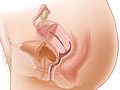
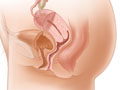
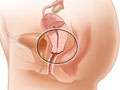
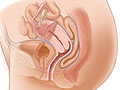
Two common forms of pelvic organ prolapse are bladder prolapse (cystocele) and urethral prolapse (urethrocele). A cystocele occurs when the wall of the bladder presses against and moves the wall of the vagina. A urethrocele occurs when the urethra moves from its normal position and presses against the wall of the vagina. Both conditions are easy for your doctor to see during a physical exam. They often occur at the same time and are usually caused by damage that happens from a vaginal delivery.
While it is common to have some degree of bladder and urethral prolapse, few people ever have any symptoms. Or the symptoms do not appear for years. When symptoms do appear, they may include difficulty urinating, uncontrolled release of urine (urinary incontinence), and pain during sexual intercourse. Surgery is not required unless your symptoms interfere with daily activities.
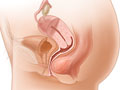
Unless another health problem is present that would require an abdominal incision, the bladder and urethra are usually repaired through an incision in the wall of the vagina. This surgery pulls together the loose or torn tissue and strengthens the wall of the vagina. This prevents prolapse from recurring.
What To Expect
General anesthesia usually is used during repair of the bladder and urethra. You may stay in the hospital from 1 to 2 days. You may go home with a catheter in place. You can most likely return to your normal activities in about 6 weeks. Avoid strenuous activity, such as heavy lifting or long periods of standing, for the first 3 months, and increase your activity level gradually. Straining or lifting after you have resumed normal activities may cause the problem to recur.
Most people are able to resume sexual intercourse in less than 6 weeks. Urinary function usually returns to normal in 2 to 6 weeks.
Why It Is Done
Repair of the bladder and urethra is done to help with symptoms such as pressure on the vaginal wall from the movement of those organs, difficulty urinating, urinary incontinence, and painful intercourse. If you are experiencing uncontrolled release of urine (urinary incontinence), further testing may be needed to find out what procedure is needed.
Bladder and urethral prolapse often occur with the prolapse of other pelvic organs, so tell your doctor about any other symptoms you have. If your doctor finds a uterine prolapse, rectocele, or small bowel prolapse (enterocele ) during your routine pelvic examination, that problem can also be repaired during surgery.
Learn more
How Well It Works
Surgery helps improve symptoms for most people. But in some cases, prolapse happens again several years after surgery.
Risks
Risks of cystocele and urethrocele repair include:
- Urinary incontinence.
- Urinary retention.
- Painful intercourse.
- Infection.
- Bladder injury.
- Formation of an abnormal connection or opening between two organs (fistula).
Credits
Current as of: May 5, 2025
Author: Ignite Healthwise, LLC Staff
Clinical Review Board
All Ignite Healthwise, LLC education is reviewed by a team that includes physicians, nurses, advanced practitioners, registered dieticians, and other healthcare professionals.
Current as of: May 5, 2025
Author: Ignite Healthwise, LLC Staff
Clinical Review Board
All Ignite Healthwise, LLC education is reviewed by a team that includes physicians, nurses, advanced practitioners, registered dieticians, and other healthcare professionals.