Heart Block
Condition Basics
What is heart block?
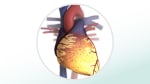
Heart block refers to an abnormality in the way electricity passes through the normal electrical pathways of the heart. The abnormality "blocks" the electrical impulse from continuing through the normal pathways and usually results in a slower heart rate.
The electrical activity of the heart starts in the sinoatrial (SA) node in the upper chamber (atrium) and travels through the atrioventricular (AV) node to reach the lower chamber (ventricle). Heart block may occur at any point along this electrical pathway.
What causes it?
Heart block can be caused by many things that affect the electrical system of the heart. Examples include:
- Scarring (fibrosis) of the heart's electrical system, which may be related to aging. This is a common cause of heart block.
- Heart attacks.
- Infections.
- Myocarditis.
- Congenital heart disease.
- Use of certain medicines, such as beta-blockers, calcium channel blockers, and digoxin.
- Heart surgery or heart catheter procedures.
Heart block is more common in older people and may be the result of age and a combination of factors listed above.
What are the types?
Heart block of the atrioventricular (AV) node can be of several types, and a doctor generally can diagnose these by looking at the person's electrocardiogram (EKG, ECG).
First-degree AV block
In first-degree block, the electrical impulses take longer to travel between the upper chamber (atrium) and lower chamber (ventricle) of the heart. This type of heart rhythm may or may not be associated with a slow heart rate.
It does not usually require treatment. But this type of heart block may raise your risk of heart rhythm problems, such as atrial fibrillation.
Second-degree AV block
In second-degree heart block, some of the electrical impulses are blocked between the upper and lower chamber of the heart. These electrical impulses may or may not have a clear pattern. The blocking of the impulse can come and go, resulting in "dropped heartbeats."
Second-degree heart block can be categorized into two types:
- Mobitz type I block (also called Wenckebach) usually occurs in the AV node. It can happen in young, healthy people. It may also be caused by certain medicines or health conditions. It usually does not cause symptoms.
- Mobitz type II block usually occurs below the AV node in other conduction tissue. It can happen in people who have heart disease or have had a heart attack. It can also be caused by certain medicines or a heart procedure. It may cause lightheadedness or fainting (syncope). And it may progress to complete heart block.
How second-degree AV block is treated can depend on the type and what is causing it. Treatment can also depend on your symptoms. Treatment may be a pacemaker. If heart block doesn't cause symptoms, it may not be treated.
Complete or third-degree block
In third-degree heart block, all of the electrical impulses are completely blocked between the upper and lower chambers of the heart. When this occurs, the atria and ventricles beat at completely different rates.
Complete heart block can be caused by many things. These include scarring of the electrical system of the heart, certain heart diseases, and infections. It may also occur after a heart surgery or heart procedure. It can be present from birth (congenital).
Complete heart block can cause symptoms such as shortness of breath, lightheadedness, or fainting. Treatment is typically a pacemaker.
Bundle branch block
Bundle branch block can affect the heart's rhythm. The heart has structures, like wires, that are called bundle branches. They are part of the heart's electrical pathway. When a branch is diseased, it is called "blocked," because the electrical signals can't travel down the branch.
Some people with bundle branch block don't have any symptoms and don't need treatment. But when a block causes the heart to beat too slowly, it can cause symptoms such as tiredness and fainting. A pacemaker may be used to get the heartbeat back to normal.
Health Tools
Health Tools help you make wise health decisions or take action to improve your health.
Credits
Current as of: October 2, 2025
Author: Ignite Healthwise, LLC Staff
Clinical Review Board
All Ignite Healthwise, LLC education is reviewed by a team that includes physicians, nurses, advanced practitioners, registered dieticians, and other healthcare professionals.
Current as of: October 2, 2025
Author: Ignite Healthwise, LLC Staff
Clinical Review Board
All Ignite Healthwise, LLC education is reviewed by a team that includes physicians, nurses, advanced practitioners, registered dieticians, and other healthcare professionals.