Bursitis
Condition Basics
What is bursitis?
Bursitis is a painful swelling of a small sac of fluid called a bursa. Bursae (plural of bursa) cushion and lubricate areas where tendons, ligaments, skin, muscles, or bones rub against each other. Doing the same movement over and over or putting continued pressure on a joint can cause bursitis.
What causes it?
Bursitis is commonly caused by:
- Overuse and repeated movements. These can include daily activities such as using tools, gardening, cooking, cleaning, and typing at a keyboard.
- Long periods of pressure on an area. For example, carpet layers, roofers, or gardeners who work on their knees all day can develop bursitis over the kneecap.
- Aging, which can cause the bursa to break down over time.
- Sudden injury, such as a blow to the elbow.
Bursitis can also be caused by other problems, such as arthritis or infection (septic bursitis).
What are the symptoms?
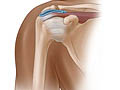
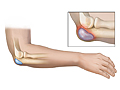
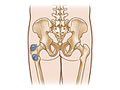
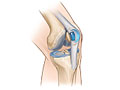
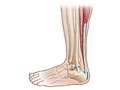
Bursitis usually causes a dull pain, tenderness, and stiffness near the affected bursa. The bursa may swell and make the skin around it red and warm to the touch. Bursitis is most common in the shoulder, elbow, hip, and knee. It may also occur near the Achilles tendon or in the foot.
How is it diagnosed?
Your doctor will ask about your past health and recent activities and examine the area. If your symptoms are severe or get worse even after treatment, you may need other tests. Your doctor may drain fluid from the bursa and test it for infection. Or you may need X-rays, an MRI, or an ultrasound.
How is bursitis treated?
Home treatment is often enough to reduce pain and let the bursa heal. This may include rest and icing the area.
Along with home care, your doctor may suggest physical therapy to strengthen the muscles around your joints.
If you have severe bursitis, your doctor may use a needle to remove extra fluid from the bursa. You might wear a pressure bandage on the area. Your doctor may also give you a shot of medicine to reduce swelling. Some people need surgery to drain or remove the bursa.
Sometimes the fluid in the bursa can get infected. If this happens, you may need antibiotics.
How can you prevent it?
You may be able to prevent bursitis from happening or coming back.
- Continue home treatment with rest, ice, pain relievers, and gentle exercises.
- When you're ready to try the activity that caused the pain, start slowly and do it for short periods or at a slower speed.
- Change the way you do activities with repeated movements. For example:
- If using a certain tool has caused bursitis, start switching hands or change the grip size of your tool.
- If you sit for long periods, get up and walk around every hour.
- If a certain sport is causing bursitis, consider taking lessons to learn proper techniques.
- If certain activities at work are causing bursitis, talk to your human resources department about other ways of doing your job, equipment changes, or other job assignments.
- Protect your joints from pressure. Cushion knees or elbows on hard surfaces, and wear shoes that fit you well and have good support.
Credits
Current as of: July 24, 2025
Author: Ignite Healthwise, LLC Staff
Clinical Review Board
All Ignite Healthwise, LLC education is reviewed by a team that includes physicians, nurses, advanced practitioners, registered dieticians, and other healthcare professionals.
Current as of: July 24, 2025
Author: Ignite Healthwise, LLC Staff
Clinical Review Board
All Ignite Healthwise, LLC education is reviewed by a team that includes physicians, nurses, advanced practitioners, registered dieticians, and other healthcare professionals.