Nearsightedness (Myopia)
Condition Basics
What is nearsightedness?
Nearsightedness (myopia) is a common cause of blurred vision. It can be mild, moderate, or severe. If you are nearsighted, objects in the distance appear blurry and out of focus. You might squint or frown when trying to see distant objects clearly. Nearsightedness is usually a variation from normal, not a disease.
What causes it?
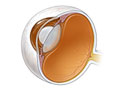
Most nearsightedness is caused by a natural change in the shape of the eyeball. Less often, nearsightedness may be caused by a change in the cornea or the lens. These problems cause light rays entering the eye to focus in front of the retina. Normally, light focuses directly on the retina.
What happens when you are nearsighted?
Nearsightedness usually begins in childhood. During the teen years, as the eyeballs continue to grow, it may develop or get worse quickly. Teenagers may need new glasses more often then children and adults.
Nearsightedness usually stops getting worse by age 20. Most nearsightedness stabilizes at a mild to moderate level.
How is it diagnosed?
A routine eye exam can show whether you're nearsighted. It includes questions about your eyesight and a physical exam of your eyes. Ophthalmoscopy, slit lamp exams, and other tests that check vision and eye health are also part of the exam. Eye exams should be done for new babies and at all well-child visits.footnote 1
How is nearsightedness treated?
Most people who are nearsighted use eyeglasses or contact lenses to correct their vision.
Surgery may be an option for some people. Options may include LASIK, PRK (photorefractive keratectomy), and artificial lens implants. The goal of surgery is to help you see more clearly without glasses or contacts. Most people will see better after surgery.
Some people with mild nearsightedness may not need to correct their vision. Nearsightedness won't affect the health of your eye. It won't get worse just because you don't wear glasses or don't have surgery.
Credits
Current as of: October 1, 2025
Author: Ignite Healthwise, LLC Staff
Clinical Review Board
All Ignite Healthwise, LLC education is reviewed by a team that includes physicians, nurses, advanced practitioners, registered dieticians, and other healthcare professionals.
Current as of: October 1, 2025
Author: Ignite Healthwise, LLC Staff
Clinical Review Board
All Ignite Healthwise, LLC education is reviewed by a team that includes physicians, nurses, advanced practitioners, registered dieticians, and other healthcare professionals.