Anemia
Condition Basics
What is anemia?
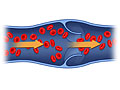
Having anemia means you don't have enough red blood cells. Your body needs these cells to carry oxygen from your lungs to the rest of your body. Anemia is fairly common. It's often easily treated. Sometimes, though, it's serious.
What causes it?
Some common reasons why you might get anemia include:
- You lose too much blood. This is a common cause of anemia, especially for those who have heavy bleeding during their periods. It can also happen with ulcers or other problems that cause bleeding inside the body.
- Your body doesn't make enough red blood cells. This can happen if your food doesn't include enough iron, folic acid, and vitamin B12. It can also happen during pregnancy. Sometimes long-term diseases can keep your body from making enough red blood cells too. Examples include kidney disease, arthritis, diabetes, and cancer.
- You have a disease or other problem that destroys red blood cells. Examples include sickle cell disease and thalassemia. Some medical treatments, like chemotherapy, can destroy red blood cells as well.
What are the symptoms?
When you have anemia, you may feel dizzy, tired, and weak. You may also feel your heart pounding or feel short of breath. It may be hard to focus and think clearly.
How is it diagnosed?
A blood test, sometimes done as part of a routine exam, will tell your doctor if you have anemia. Then your doctor will do other tests to figure out what's causing it.
How is anemia treated?
Treatment will depend on what is causing the anemia. Sometimes changing what you eat to include more of a variety of healthy foods may be what's needed. Some people need to take iron pills. Others may need a vitamin like folic acid or vitamin B12.
You may also get medicine or other treatment for any problem that is causing the anemia. Ulcers or a problem in the bone marrow are examples of problems that may cause anemia.
People who are very anemic may need blood transfusions.
Credits
Current as of: September 25, 2025
Author: Ignite Healthwise, LLC Staff
Clinical Review Board
All Ignite Healthwise, LLC education is reviewed by a team that includes physicians, nurses, advanced practitioners, registered dieticians, and other healthcare professionals.
Current as of: September 25, 2025
Author: Ignite Healthwise, LLC Staff
Clinical Review Board
All Ignite Healthwise, LLC education is reviewed by a team that includes physicians, nurses, advanced practitioners, registered dieticians, and other healthcare professionals.