Breastfeeding: How to Use a Breast Pump
Overview
A breast pump is a device that allows you to empty milk from your breasts whenever you want to or need to. Then you can store the milk for later.
Using a breast pump is a good way to provide the benefits of breastfeeding when you have to be away from your baby. Pumping will help keep up your milk supply. It also prevents the discomfort of your breasts getting too full of milk.
You can also use a breast pump to slowly reduce your milk supply if you have to stop breastfeeding.
How to use a breast pump
Pumping milk with a breast pump will probably take 10 to 20 minutes for each breast. But it may take longer.
1. Read the instructions that came with your pump. Understand how to put it together and how often to clean and sanitize the parts. Have supplies and spare parts ready.
2. Choose a good place to pump. Find a spot that's clean, comfortable, and private so you can relax.
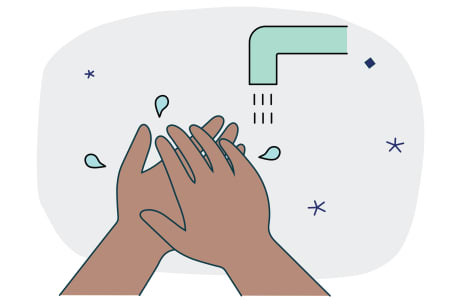
3. Wash your hands before you touch the breast shield or your breast. Use soap, and scrub your hands for 10 to 15 seconds. Then rinse well in warm water.
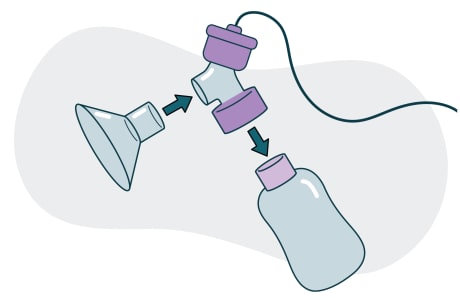
4. Put the pump together. As you put it together, check to see that all parts are clean.
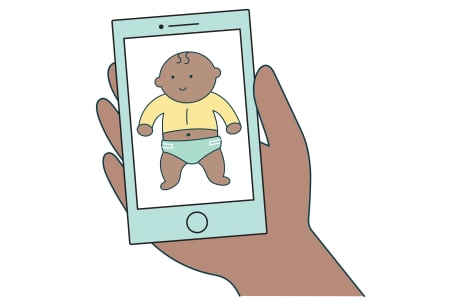
5. Think about or hold your baby. This may improve your milk letdown. If you aren't with your baby, try looking at a photo or sniffing a piece of clothing your baby has worn.
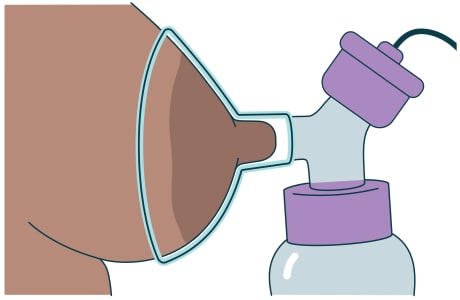
6. Position the breast shield over your breast. Your nipple should be right in the middle of the shield. You may need to try a few different sizes of breast shield to find one that fits you best.
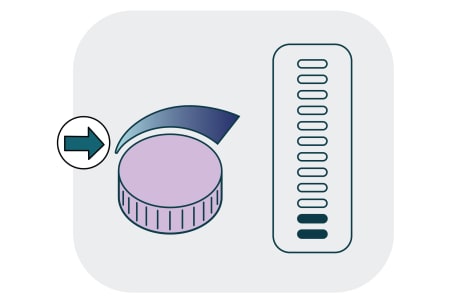
7. Start pumping. Begin with a low level of suction. Increase suction as the milk starts to flow. You'll feel a tugging while pumping, but it shouldn't be painful. If it hurts, stop pumping.
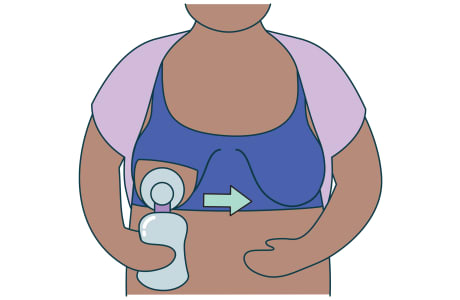
8. Empty both breasts during each pumping session. After you pump, your breasts should feel soft with no hard areas.
If you have problems using a breast pump or have concerns about your milk supply, talk to your doctor or midwife or a lactation consultant.