Top of the pageActionset
Diabetes in Children: Treating Low Blood Sugar
If your child takes insulin or certain diabetes pills that lower blood sugar, their blood sugar may get too low at times. Low blood sugar may happen if your child:
- Takes too much insulin or other diabetes medicine.
- Skips or delays a meal or snack.
- Is more physically active than usual without eating enough food.
- Takes a medicine that can lower blood sugar as a side effect.
- Starts a menstrual period. This causes hormonal changes that may affect how well insulin works.
Low blood sugar levels can develop rapidly, within minutes. Treat low blood sugar symptoms as soon as you or your child notices them.
How do you deal with low blood sugar?
Be prepared
Being prepared can help your child avoid a low blood sugar emergency. Here are some things you can do.
- If possible, use a continuous glucose monitor (CGM). This helps predict when your child's blood sugar gets low.
- Keep quick-sugar food handy. This includes glucose tablets, fruit juice, and hard candy (such as Life Savers).
- Know the symptoms of low blood sugar, such as sweating, shakiness, blurred vision, dizziness, and confusion.
- Check your child's blood sugar often. Keep a record of low blood sugar levels and share them with your child's doctor.
- Show other caregivers how to check your child's blood sugar. Teach them the symptoms of low blood sugar and what to do when your child's blood sugar is low.
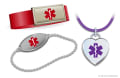
- Have your child wear a medical alert ID at all times.
- Have your child carry glucagon with them. Be sure that other caregivers know how to give glucagon.
Treat low blood sugar
Follow these steps when your child's blood sugar level is below the target range (usually below 70 mg/dL). Share treatment instructions with your child's family, friends, and teachers.
- Be alert for low blood sugar.
- Check your child's blood sugar level if you think it may be low, even if you don't see any symptoms.
- Notice if your child has symptoms of low blood sugar. Symptoms include sweating, shakiness, hunger, blurred vision, dizziness, and confusion. Be aware that your child may not always have the same symptoms.
- Offer quick-sugar food when your child has low blood sugar.
- Give your child carbohydrate from quick-sugar food, such as glucose tablets, fruit juice, or hard candy. Liquids will raise blood sugar faster than solid foods. While many adults use 15 grams of carbohydrate, children usually need less. For example, a child under 5 years old might only need 5 grams, and a child 5 to 10 years old might only need 10 grams. Every child is different. Check with your doctor or diabetes educator for the amount that is right for your child's current age and weight.
- Wait about 15 minutes after your child eats the carbohydrate. Check your child's blood sugar level again.
- If blood sugar is still below 70 mg/dL, give your child the same recommended amount of carbohydrate from quick-sugar food.
- Repeat the same recommended amount of carbohydrate every 15 minutes until your child's blood sugar is in a safe target range, such as 70 mg/dL or higher.
- When your child's blood sugar returns to the target range, give your child a small snack if the next planned meal or snack is more than a few hours away.
- Know when to get help. Get emergency help if your child's blood sugar stays below 70 mg/dL or your child is getting more sleepy and less alert. Stay with your child until blood sugar is above 70 mg/dL or until emergency help arrives.
Current as of: July 7, 2025
Author: Ignite Healthwise, LLC Staff
Clinical Review Board
All Ignite Healthwise, LLC education is reviewed by a team that includes physicians, nurses, advanced practitioners, registered dieticians, and other healthcare professionals.