
Health Library
Losing weight through diet
You must carefully read the "Consumer Information Use and Disclaimer" below in order to understand and correctly use this information
Can I lose weight by changing my diet?
Yes. There is no 1 "weight loss diet" that works for everyone. But making changes to your diet and lifestyle can help you lose weight in a healthy way.
The best weight loss plans help you have a healthy view of eating. With a good weight loss plan, many people can lose weight and keep it off. Reducing calories in your diet, burning calories through exercise, or both can help you lose weight. Combining a healthy diet with regular physical activity can help you get the best results.
How do I start a weight loss diet?
If you would like to lose weight, it's a good idea to start by talking to your doctor or nurse. They can help you make a plan to lose weight in a healthy way. Losing weight takes work and can be hard, so it helps to have support.
In general, to lose weight, you have to eat fewer calories than your body burns:
Your doctor or nurse help you understand how many calories your body needs for energy. If you don't get enough calories, this can lead to problems like not having enough of certain nutrients. It can also make it more likely you will gain the weight back.
To know how many calories you are getting through food, it's important to read labels (figure 1). The label shows how many calories are in a single serving of the food. It's also important to check labels to see how much of the food is considered a serving. For example, if you eat 2 servings of a food, you need to double the number of calories on the label to know how many you are getting.
It can also help to work with a dietitian (food expert). They can also tell you which foods can give you the nutrients you need while also working toward your weight loss goals.
For most people, a healthy weight loss goal is 1 to 2 pounds (0.5 to 1 kg) per week.
Should I exercise to help lose weight?
Yes. Moving your body can help you lose weight. It also has other benefits, like making muscles stronger and improving heart health. There are lots of different ways to get physical activity, no matter your age, size, or ability. Talk to your doctor to help you find a safe way to increase your activity levels.
To increase your activity, you can walk, dance, garden, or even just move your arms while sitting. Even gentle forms of exercise are good for your health. For weight loss, the important thing is to increase the number of calories you burn by moving more. And you have to keep doing the extra activity over time.
What lifestyle changes can help me lose weight?
There are many things you can try to help you lose weight. You can:
Try making small changes in how you eat, rather than trying to change everything at once.
Try eating more slowly. It can take 30 to 45 minutes for your brain to realize you are full. If you are still hungry after eating, wait before eating more.
Watch your portions at home and when eating out:
When eating out, split an order with someone, or bring home half to eat later for another meal.
Put snacks and other foods into single servings. This can help with portion control.
Use a smaller plate or bowl for meals. Use a measuring cup to help figure out portion sizes.
Plan ahead for meals and snacks. Have healthy foods (like raw vegetables, fruits, and nuts) ready for when you are hungry between meals.
Find lower-calorie options for foods. Try eating sorbet or fruit compote if you crave sweets. For salty cravings, eat seasoned rice cakes or make sweet potato crisps in the oven or air fryer.
Try making changes in how you prepare foods. For example:
Remove the fatty part of meats and the skin from poultry before cooking.
Bake, broil, grill, poach, or roast poultry, fish, and lean meats instead of frying them.
Use olive or canola oil for cooking or baking.
Try these tips to help you feel full:
Drink water before and after meals. This can help you feel more full without adding extra calories.
Eat protein at each meal.
Make sure you eat enough fiber.
Have a friend or family member support you as you work to lose weight. They can also hold you accountable to your healthy eating plan.
What foods and drinks should I eat when trying to lose weight?
Try to choose foods that are lower in fat and calories:
Grains – Choose whole-grain, high-fiber foods such as whole-grain breads, cereals, brown rice, or pasta.
Fruits and vegetables – Eat many kinds and colors of fruits and vegetables. If possible, eat fresh fruits and vegetables. If that is not possible, frozen ones are good, too. Check the label on canned fruits and vegetables (figure 1). Choose ones packed in their own juices or water, with no added sugar.
Dairy – Choose low-fat (1 percent) or fat-free milk and other dairy products. Use spray butter or margarine.
Lean meats, poultry, seafood, and proteins – Try to eat low-fat or lean meats that are baked or broiled, like white meat chicken or turkey without the skin. Eat less red meat. Avoid processed meat such as prepackaged sausage and hot dogs. Eat more fish, eggs, and beans instead. Dried peas, beans, and lentils are also high in protein and fiber.
Condiments and other foods – Choose fresh or dried herbs, lemon juice, seasonings without salt, mustard, vinegar, hot sauce, and fat-free or low-fat sour cream or salad dressings.
Drinks – Drink plenty of fluids such as water, unsweetened tea or seltzer, or coffee. You can add fruit or sugar-free flavoring to drinks.
What foods and drinks should I avoid or limit when trying to lose weight?
Grains to avoid – Avoid cookies, cakes, candy, doughnuts, granola, baked goods, muffins, chips, crackers, commercially prepared rice, pasta, and stuffing mixes.
Fruits or vegetables to avoid – Avoid prepackaged vegetables in sauces and canned fruits with extra sugar added.
Dairy products to avoid – Avoid whole milk, full-fat dairy products, butter, and lard.
Meats, poultry, seafood, and proteins to avoid – Avoid high-fat meats like beef, lamb, poultry with the skin, and processed meats like bologna, pepperoni, or salami.
Condiments and other foods to avoid – Avoid full-fat mayonnaise and salad dressings, gravies, and sauces.
Drinks to avoid – Avoid sweetened beverages like soda, juice, and sweet tea. Avoid or limit alcohol, including beer, wine, and mixed drinks. Avoid artificial sweeteners and high-fructose corn syrup. Avoid energy drinks.
Images
figure 1: Food label
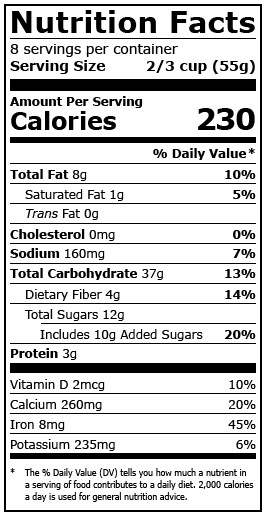
The food label (also called "nutrition facts") lists the number of servings in a package, the serving size, the number of calories in a serving, and how much of certain nutrients and vitamins are in the food.
Graphic 138477 Version 3.0
Give to a Healthier Future
Help us elevate and expand our care, make breakthroughs in biomedical science and improve community health and wellness.
Healthier communities. Healthiest lives. Together.