
Valentine's Heart Trouble
And the unexpected heart attack symptoms every woman should know.
A volcano overflowing with lava.
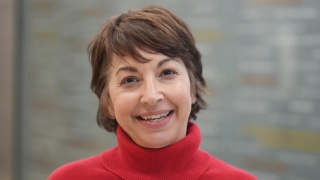
That’s how Vicki Mascareño-Nelson describes the pain in her jaw and chest last year, just days after Valentines Day. But her first thought may surprise you: It must be the chocolate.
“I was eating some fancy leftover Valentine’s Day chocolates, and honestly I thought it was aggravating a preexisting problem with my jaw and giving me severe heartburn,” says Mascareño-Nelson. “I’m relatively young, healthy and - like a lot of women - I have a high pain tolerance. I mean, I’ve had two kids! No way I thought this was a heart attack!”
It wasn’t until several hours later, when severe fatigue set in, that she made her way to the emergency department of University of Vermont Medical Center with the help of her husband. Attending physicians and nurses quickly recognized she was having a heart attack.
“It took me a while to accept it,” recalls Mascareño-Nelson. “The entire experience taught me so much about my heart, my body and the unique risks we face as women – things I think more women should know about.”
Unique Heart Attack Risks for Women
Tests later revealed that Mascareño-Nelson experienced a form of heart attack known as spontaneous coronary artery dissection, or SCAD, during which a tear in the coronary artery blocks or slows the flow of blood to the heart. While often misdiagnosed, SCAD is gaining recognition as a significant cause of heart attacks, especially in women in their 40s and 50s. Anyone can experience a SCAD, though more than 90% of patients are female.
What makes SCAD difficult to diagnose is that many women who experience it don't have the typical risk factors for heart disease – they’re often otherwise healthy.
“Unfortunately, with SCAD, it can happen to anyone,” says Sherrie Khadanga, MD, a cardiologist with University of Vermont Health Network. “That’s why it’s so important to listen to your body, even if you consider yourself a healthy person, and seek medical attention if you’re experiencing symptoms of a heart attack. Don’t take your heart for granted.”
Dr. Khadanga supported Mascareño-Nelson as she healed and began her recovery. Like many people recovering from a SCAD heart attack, a surgical repair was deemed risky; a combination of rest, medication and cardiac rehabilitation would heal her damaged artery.
“I feel really privileged to be able to have gone to cardiac rehab – it was a game changer for me and helped me indulge my love of snazzy track suits,” says Mascareño-Nelson with a laugh. “It helped me to rebuild the mental and physical confidence that I lost because of my heart attack. And I know it sounds corny, but it helped me build a relationship with my heart. I’d taken it for granted all those years!”
Lessons for Others
It was during her recovery that Mascareño-Nelson learned she had two underlying health conditions that likely contributed to the tear in her coronary artery. The first was diagnosed almost immediately at UVM Medical Center, a condition known as fibromuscular dysplasia that causes medium-sized arteries to narrow. Cardiac specialists also later diagnosed her with a condition known as Ehlers-Danlos syndrome, a disorder which affects connective tissues like joints and the walls of blood vessels. Both conditions have been linked to higher risk of SCAD heart attacks.
“While not definitive, we know that many people that experience SCAD also have these conditions,” says Dr. Khadanga. “We also see that extreme stress, whether it be intense physical exercise or severe emotional distress, also increases the risk of a SCAD.”
One year on from her heart attack, Mascareño-Nelson is feeling strong again and thinks more needs to be done to educate women about their unique risks and symptoms.
“I know that what I’ve learned from my heart attack could save someone else,” says Mascareño-Nelson. “I think when most people think of a heart attack, they picture someone clutching their left arm in pain – I had no idea that jaw pain or upper back and neck pain are also signs of heart attack. If I had known this, I probably would have gone to the emergency room right away. Hopefully, someone else can learn from my experience.”